

The Murky, Magical Bowl of Comfort You Never Knew You Needed
Picture this: a raw Tuesday evening, rain tapping at the kitchen window, and you’re staring into the pantry wondering how a handful of humble ingredients could possibly turn into something worth sitting down for. That was me, three winters ago, standing in my Southern grandmother’s kitchen while she dragged out a beat-up Dutch oven and declared, “Tonight, we’re making the good stuff.” What came out of that pot changed the way I think about one-pot cooking forever.
She called it the swamp not because it looked unappetizing, but because everything good eventually finds its way into it. Leafy greens swirling through a smoky, herb-laced broth, hearty beans tumbling against chunks of sausage, and a color so deeply green and golden it honestly did look like something pulled from a Louisiana bayou at magic hour. If you’ve ever been curious about the dish that’s quietly won over Southern comfort food devotees for decades, this swamp stew recipe is your starting point.
The beauty of this dish isn’t just the flavor it’s the philosophy. Use what you have, coax the most out of every ingredient, and never underestimate what a low, slow simmer can accomplish. Whether you’re feeding a crowd on game day or just need a soul-warming weeknight dinner that reheats beautifully, this is the recipe that earns a permanent spot in your rotation. And if you’ve been browsing variations online, you may have already spotted a popular recipe swamp soup style that inspired elements of this version we’ve taken that foundation and made it even more layered and satisfying.
At a Glance:
- ⏲️ Prep: 20 min
- 🔥 Cook: 45 min
- ⏰ Total: 1 hr 5 min
- 🍴 Serves: 6–8
- 📊 Level: Easy
- 🌍 Cuisine: Southern American
- 🥘 Type: Main Course / Soup & Stew
- 🥗 Diet: Adaptable (see variations for vegetarian/dairy-free)
What Makes This Swamp Stew So Irresistible
There are weeknight dinners, and then there are weeknight dinners that people ask about for weeks afterward. This falls firmly in the second category. Here’s why this pot of goodness keeps earning its place on the stove:
- One pot, zero drama. Everything the sautéing, the simmering, the building of flavor happens in a single Dutch oven or heavy-bottomed pot. Cleanup is minimal, satisfaction is maximum.
- Budget-friendly without tasting like it. Cannellini beans, smoked sausage, and collard greens are some of the most affordable ingredients at any grocery store, yet together they create something that tastes genuinely rich and complex.
- Scales up effortlessly. Feeding four people? Great. Feeding twelve at a potluck? Just double the batch the ratios hold perfectly.
- The flavor actually deepens overnight. Unlike dishes that lose their spark after a day in the fridge, this one gets better, making it ideal for meal prep warriors.
- Endlessly customizable. Swap the protein, change the greens, punch up the heat the base recipe is a canvas, not a constraint.
- It tells a story. There’s something about this dish that sparks conversation around the table. The name alone gets people curious before the first bite.
What You’ll Need
For the Stew Base:
- 1 tablespoon olive oil
- 1 lb smoked andouille sausage, sliced into ½-inch rounds (kielbasa works beautifully too)
- 1 medium yellow onion, diced
- 4 garlic cloves, minced
- 2 celery stalks, thinly sliced
- 1 teaspoon smoked paprika
- ½ teaspoon dried thyme
- ½ teaspoon crushed red pepper flakes (adjust to your heat preference)
- Salt and black pepper, to taste
For the Broth & Greens:
- 6 cups low-sodium chicken broth (or vegetable broth for a lighter version)
- 2 cans (15 oz each) cannellini beans, drained and rinsed
- 1 can (14.5 oz) diced tomatoes, with juices
- 1 large bunch collard greens, stems removed and leaves roughly chopped (about 4–5 packed cups)
- 2 cups fresh baby spinach
Optional Add-ins:
- 1 cup frozen corn kernels
- 1 medium russet potato, peeled and diced small (adds body to the broth)
- A parmesan rind dropped into the pot while simmering (a game-changer for depth)
- Hot sauce, for serving
Ingredient note: Collard greens are available at most large grocery stores and farmers’ markets, typically near other leafy greens. If you can’t find them, lacinato kale or turnip greens make excellent substitutes with slightly different flavor profiles.
Kitchen Essentials
This recipe doesn’t demand a specialty toolkit, but a few specific items make a meaningful difference:
- Dutch oven or heavy-bottomed pot (5–7 quart) The thick base distributes heat evenly and prevents scorching during the sauté stage
- Sharp chef’s knife Collard greens require confident, clean cuts to chop efficiently
- Wooden spoon or silicone spatula For deglazing those golden bits off the bottom of the pot (that’s pure flavor)
- Ladle For serving without turning it into a splatter situation
- Fine mesh strainer Helpful when draining and rinsing canned beans thoroughly
How to Make Swamp Stew (Step-by-Step)
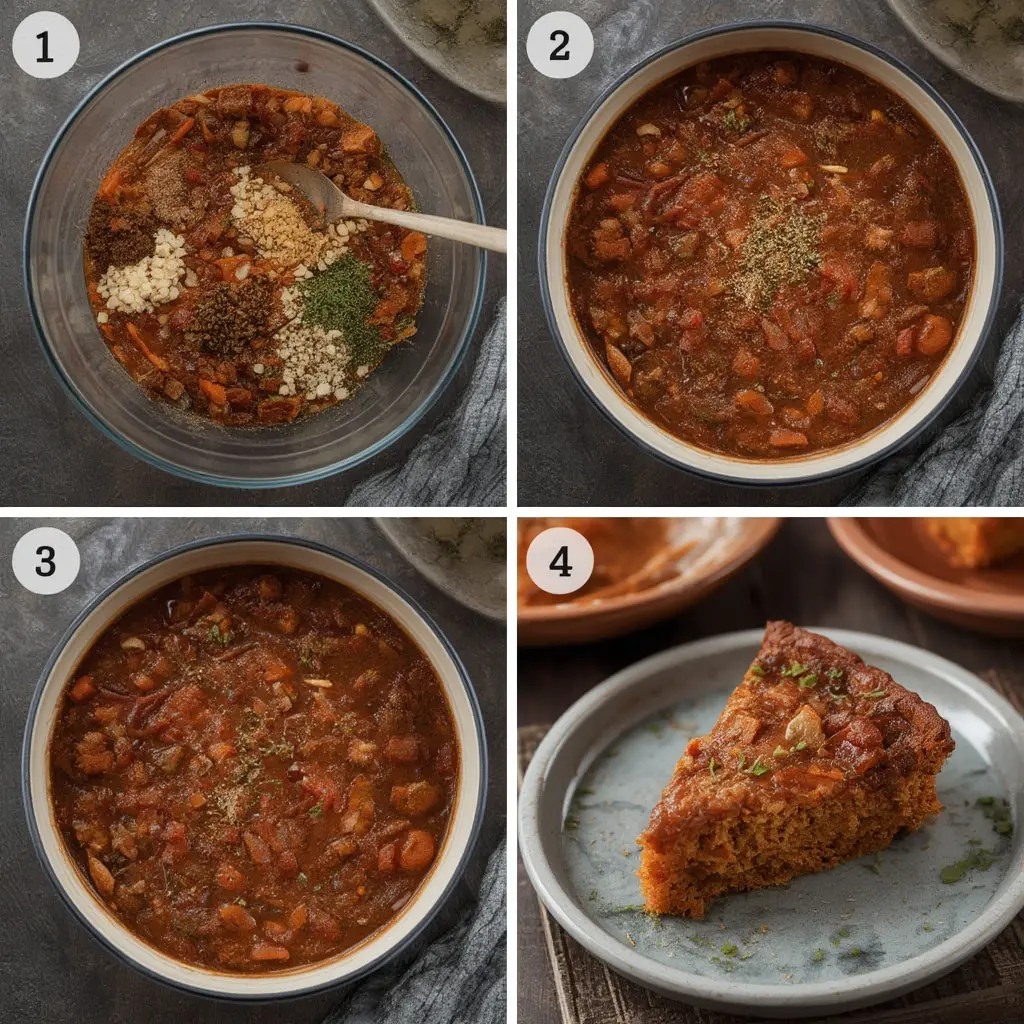
- Brown the sausage: Heat olive oil in your Dutch oven over medium-high heat. Add sausage slices in a single layer and cook for 3–4 minutes per side until deeply golden. Don’t rush this those caramelized edges are where the smokiness lives. Transfer sausage to a plate and set aside.
- Build the aromatics: Reduce heat to medium. In the same pot (don’t wipe it out that fond is gold), add the diced onion and celery. Sauté for 5–6 minutes, stirring occasionally, until softened and just starting to turn translucent at the edges.
- Bloom the garlic and spices: Add the minced garlic, smoked paprika, thyme, and red pepper flakes. Stir constantly for about 60 seconds until the mixture smells absolutely incredible and the garlic is fragrant but not browned.
- Deglaze and build the broth: Pour in the chicken broth and use your wooden spoon to scrape up any browned bits from the bottom of the pot. This step deglazing is responsible for so much of the final depth of flavor. Add the diced tomatoes with their juices and stir to combine.
- Add the beans and sausage back in: Return the browned sausage to the pot along with both cans of drained cannellini beans. If you’re using potato chunks or a parmesan rind, add them now. Bring everything to a gentle boil.
- Simmer low and slow: Reduce heat to medium-low, partially cover the pot, and let the stew simmer for 20–25 minutes. The broth will begin to thicken slightly as the beans break down just a little at the edges this is exactly what you want.
- Wilt in the greens: Add the chopped collard greens in two or three batches, stirring each addition down before adding the next. They’ll look mountainous at first but will collapse dramatically within a minute or two. Simmer uncovered for another 10–12 minutes until the collards are tender but still have a slight, pleasant chew.
- Finish with spinach: Stir in the baby spinach and cook for just 1–2 minutes until wilted. Taste the broth now and adjust seasoning add salt, more red pepper flakes, or a small squeeze of fresh lemon juice if the flavors feel like they need brightening.
- Rest before serving: Pull the pot off the heat and let it sit, uncovered, for 5 minutes. This short rest allows the flavors to settle and the broth to reach its full, harmonious potential.
Pro move: If you’re adding corn, stir it in during the last 5 minutes of simmering so it stays sweet and slightly crisp rather than mushy.
Expert Secrets
- Don’t skip the browning step: Sautéing the sausage first rather than just dropping it into the broth raw adds a level of smoky, caramelized flavor that absolutely cannot be replicated later in the cooking process.
- Collard greens need more time than you think: Unlike spinach or kale, collards have a tougher cell structure. Give them the full 10–12 minutes of simmering for tender, silky results. Undercooked collards taste grassy and overly fibrous.
- Use broth, not water: The difference in flavor when you substitute even a low-sodium broth for plain water is dramatic. This is not the place to cut corners.
- Mash a few beans against the pot wall: About halfway through the simmer, press 8–10 beans against the side of the pot with your spoon. They’ll dissolve into the broth and create a naturally creamy, body-rich texture without adding any cream or flour.
- Season at the end, not the beginning: Smoked sausage is already salty, and as the broth reduces and concentrates, the sodium levels climb. Season assertively only in the final few minutes once you know where the flavor stands.
- Acid is your secret weapon: A small splash of apple cider vinegar or fresh lemon juice stirred in right before serving wakes up every flavor in the pot. Start with just a teaspoon and taste as you go.
Make It Your Own
Dietary Swaps:
- Vegetarian/Vegan: Omit the sausage entirely and add an extra can of beans plus a cup of diced mushrooms (cremini or portobello) sautéed until deeply golden. Use vegetable broth and skip the parmesan rind.
- Gluten-free: This recipe is naturally gluten-free as written just double-check your sausage label, as some varieties contain fillers.
Flavor Variations:
- Spicy Cajun version: Increase the red pepper flakes to 1 teaspoon, add ½ teaspoon cayenne, and stir in a tablespoon of Cajun seasoning blend with the other spices.
- Tuscan-inspired twist: Swap the andouille for Italian sausage, use white wine instead of some of the broth for deglazing, and add a handful of sun-dried tomatoes with the beans.
Ingredient Alternatives:
- Greens: Turnip greens, mustard greens, lacinato kale, or even escarole can replace collards depending on availability and personal preference.
- Beans: Great Northern beans or navy beans swap in seamlessly for cannellini if that’s what’s in your pantry.
- Protein: Smoked turkey leg or diced leftover rotisserie chicken both work wonderfully for a different flavor direction.
How to Serve & Enjoy
- With crusty bread: A thick slice of sourdough or a warm hunk of cornbread alongside the bowl is practically mandatory you’ll want something to drag through that broth.
- Over rice or grits: Ladle the stew over a mound of white rice or creamy stone-ground grits for a heartier, more substantial meal.
- Garnish thoughtfully: A drizzle of good olive oil, a pinch of smoked paprika, and fresh parsley right before serving elevates the presentation from rustic to restaurant-worthy.
- For a crowd: Serve straight from the Dutch oven at the table. Something about the communal, family-style presentation makes people immediately comfortable and they always come back for seconds.
Keeping It Fresh
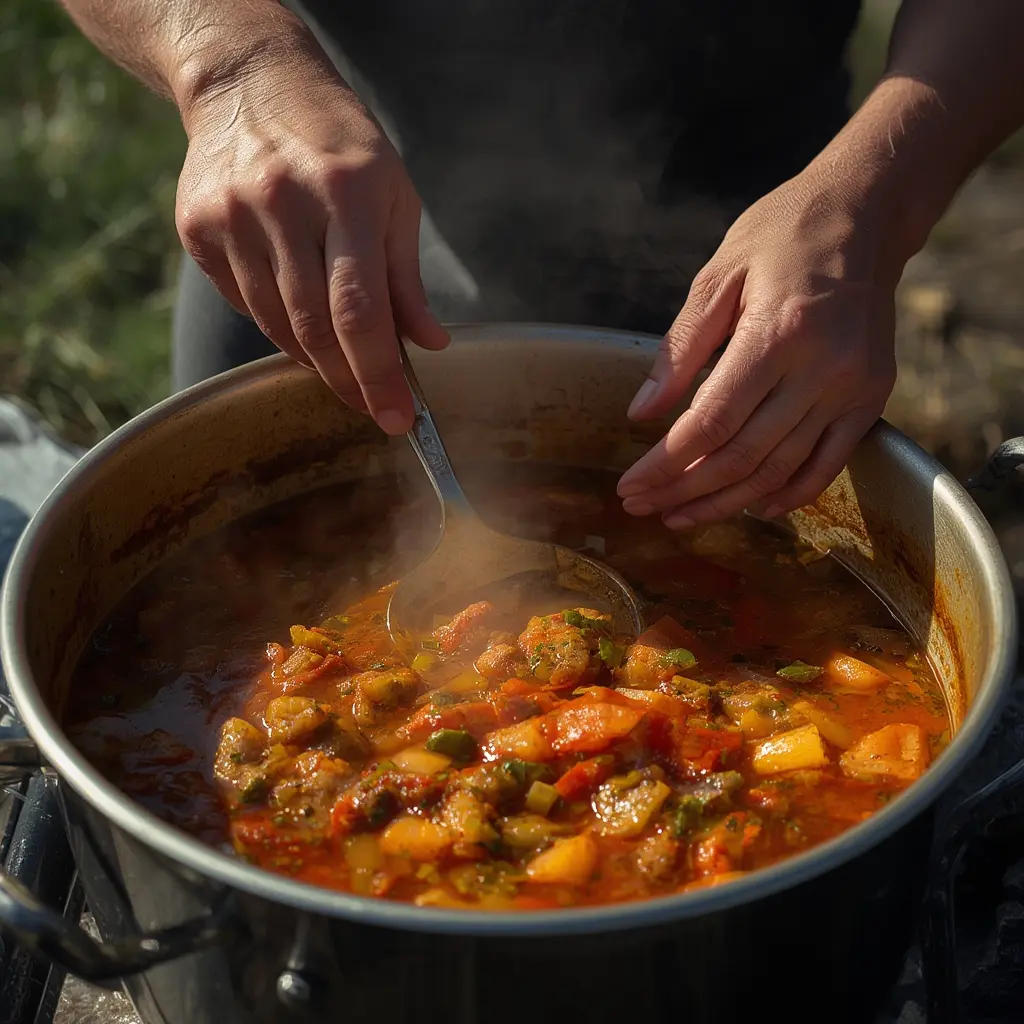
Fridge:Store cooled stew in an airtight container for up to 5 days. The flavor develops beautifully by day two don’t be surprised if Tuesday’s leftovers taste better than Sunday’s original.
Freezer:This stew freezes exceptionally well. Portion into freezer-safe containers or zip-lock bags (lay flat to save space) and freeze for up to 3 months. Thaw overnight in the refrigerator before reheating.
Reheating:Warm gently on the stovetop over medium-low heat, adding a splash of broth or water to loosen the consistency the beans will have absorbed some liquid during storage. Avoid aggressive high-heat reheating, which can make the greens mushy.
Make-Ahead:The stew base (broth, sausage, beans, aromatics) can be made up to 2 days in advance and stored in the fridge. Simply reheat and stir in the greens fresh they only take about 12 minutes and taste noticeably brighter when added closer to serving time.
Nutrition Facts
Per serving (based on 8 servings, estimated):
- Calories: ~340
- Protein: 21g
- Carbohydrates: 28g
- Fat: 14g
- Fiber: 8g
- Sodium: ~780mg
Values are approximate and vary based on specific brands and ingredient choices.
There’s something quietly triumphant about pulling a pot like this off the stove and knowing before anyone’s even taken a bite that it’s going to be good. This is the kind of cooking that doesn’t ask for perfection. It asks for a little patience, good ingredients, and a willingness to trust the process.
If this recipe hits the spot for you (and I’m fairly confident it will), I’d love to hear which variation you landed on. Did you go full Cajun heat? Keep it classic and traditional? Sneak in that parmesan rind and never look back? Drop a comment below and tell me all about it your take on this dish is just as valid as mine, and honestly, I might learn something new.
And if you’re just beginning to explore this style of Southern-inspired cooking, don’t stop here. Understanding the roots of the dish makes cooking it even more rewarding dive into the full breakdown of swamp stew ingredients and history to get the complete picture.
Your Questions Answered
Q: My broth tastes thin and watery what went wrong?A: This usually happens for one of two reasons: the sausage wasn’t browned long enough to release its smokiness, or the simmer time was cut short. Let it go the full 20–25 minutes uncovered (or partially covered) so the broth can concentrate. Mashing a few beans against the pot wall also adds body quickly without any extra ingredients.
Q: Can I use frozen collard greens instead of fresh?A: Absolutely frozen collard greens (thawed and drained) work well in this recipe. They’re already slightly softened from the blanching process, so reduce the collard simmering time by about 4–5 minutes and watch for texture. They’ll be a touch softer but still delicious.
Q: Is andouille sausage essential, or can I use something milder?A: Andouille brings a signature smoky heat that really defines the character of this dish, but it’s not mandatory. Kielbasa is a milder, widely available substitute. For a chicken-based option, smoked chicken sausage works well just know the overall flavor will be subtler.
Q: My collard greens still taste bitter after cooking what happened?A: Bitterness in collards typically means they needed more time or the greens were very mature. Add a splash of apple cider vinegar and a small pinch of sugar to the pot acid and a touch of sweetness counter bitterness beautifully. Going forward, look for younger, smaller collard leaves, which tend to be milder.
Q: Can I make this in a slow cooker?A: Yes, with a modification. Brown the sausage and sauté the aromatics on the stovetop first (don’t skip this), then transfer everything except the greens and spinach to the slow cooker. Cook on LOW for 6–7 hours or HIGH for 3–4 hours. Stir in the collard greens during the last 45 minutes and the spinach in the final 10 minutes.
Q: How do I know when the collard greens are actually done?A: Pull out a piece and bite it. Properly cooked collards should be tender all the way through with no fibrous, rubbery resistance, but they shouldn’t be falling apart or turning army-green in color. That bright-but-tender sweet spot usually hits right around the 10–12 minute mark.
Q: Can this be made without any meat for a vegetarian version?A: Very successfully, yes. The key is building smokiness through other means: use smoked paprika generously (up to 1½ teaspoons), add a teaspoon of liquid smoke, and sauté a full 8 oz of cremini mushrooms until deeply browned before adding the aromatics. The resulting broth is remarkably hearty and satisfying without any meat in the pot.
Have you tried the dish?
There are no reviews yet. Be the first one to write one.
