
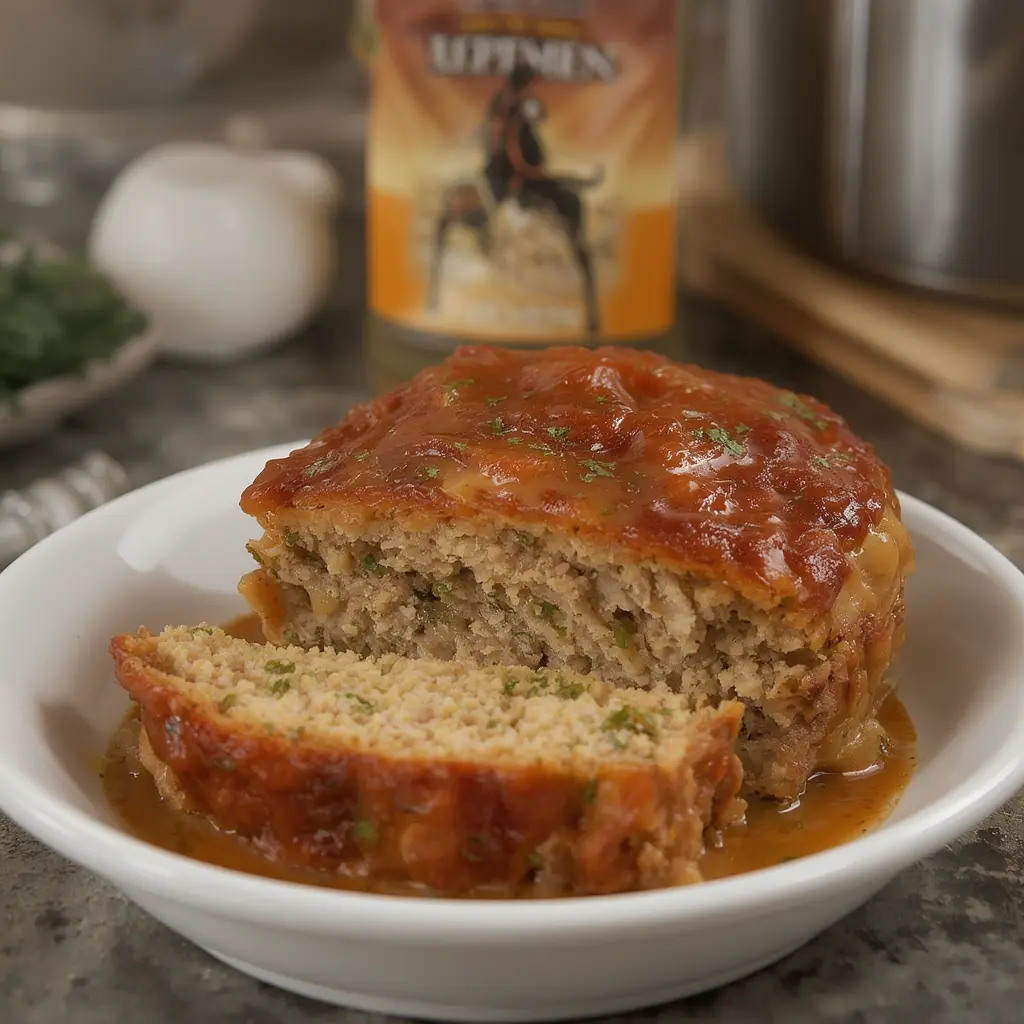
The One-Packet Wonder: A Classic Meatloaf That Never Disappoints
There’s a reason this recipe has lived on index cards, in church cookbooks, and on refrigerator doors for decades and it has everything to do with a little yellow envelope.
Picture this: It’s a Tuesday evening. You’re tired, slightly hungry, and standing in front of an open refrigerator hoping dinner will somehow volunteer itself. Sound familiar? The beauty of what I’m about to share is that it requires almost zero culinary gymnastics just a handful of pantry staples, one glorious packet of seasoning, and about ten minutes of hands-on effort. The rest? Your oven handles it.
I grew up watching my aunt make this at least twice a month, and honestly, the smell alone was enough to make everyone drift into the kitchen without being called. That unmistakable savory aroma toasted onion, garlic, herbs filling the house while something hearty bubbled and browned in the oven. It felt like home before you even sat down. This version is inspired by that memory, refined over years of tweaking, and I genuinely believe it’s the best iteration I’ve landed on. When it comes to meatloaf using Lipton onion soup mix, the technique matters just as much as the packet itself and I’ll walk you through every detail.
What sets this apart from the dozens of other versions floating around the internet is the glaze. We’re not doing a simple ketchup swipe. We’re building a lacquered, sticky-sweet-savory topping that caramelizes beautifully in the final minutes of baking. If you’ve tried meatloaf and Lipton onion soup mix combinations before and felt underwhelmed, I’d wager the glaze was the missing piece. Let’s fix that today.
At a Glance:
- ⏲️ Prep: 12 minutes
- 🔥 Cook: 65 minutes
- ⏰ Total: 1 hour 17 minutes
- 🍴 Serves: 6–8
- 📊 Level: Easy
- 🌍 Cuisine: American Comfort Food
- 🥘 Type: Main Course / Dinner
- 🥗 Diet: Can be made gluten-free (see variations)
What Makes This Lipton Onion Meatloaf So Irresistible
Let me give you the honest pitch before we dive in because this recipe genuinely earns every compliment it gets.
- The seasoning does the heavy lifting. That single envelope of Lipton onion soup mix contains a perfectly balanced blend of dehydrated onion, salt, and aromatics that seasons the meat from the inside out. No chopping, no measuring individual spices.
- It’s budget-friendly without feeling cheap. Ground beef, pantry staples, and one inexpensive packet feed a family of six for well under $15. Comfort food doesn’t have to cost like a restaurant bill.
- The texture is spot-on never dense, never crumbly. The combination of breadcrumbs, egg, and just enough moisture creates slices that hold together beautifully on the fork.
- That glaze is a legitimate game-changer. Three ingredients, brushed on halfway through baking. It transforms the exterior into something almost barbecue-adjacent.
- Leftovers are arguably better the next day. I said what I said. Cold meatloaf on toasted bread with a smear of mayo is an underrated lunch experience.
- It’s endlessly adaptable. Dairy-free, gluten-free, leaner protein this recipe bends to fit your household without breaking.
What You’ll Need
For the Meatloaf:
- 2 lbs ground beef (80/20 blend recommended the fat keeps it moist)
- 1 packet (1 oz) Lipton Recipe Secrets Onion Soup Mix
- ¾ cup plain breadcrumbs (panko works too, for a slightly lighter texture)
- 2 large eggs, lightly beaten
- ⅓ cup whole milk
- 2 tablespoons Worcestershire sauce
- 1 teaspoon garlic powder
- ½ teaspoon black pepper
- ¼ cup finely diced green bell pepper (optional but adds lovely moisture and a subtle sweetness)
For the Glaze:
- ½ cup ketchup
- 2 tablespoons brown sugar, packed
- 1 tablespoon yellow mustard
Optional Add-ins:
- ¼ cup finely grated parmesan adds a subtle umami depth
- 2 tablespoons tomato paste mixed into the meat for richer flavor
- A pinch of red pepper flakes if you like a faint kick in the background
Quick note: The 80/20 ground beef is not negotiable in my kitchen for this recipe. Leaner blends (90/10 or higher) tend to produce a drier, firmer loaf. If you’re watching fat intake, use 85/15 and add an extra tablespoon of milk to compensate.
How to Make Meatloaf Using Lipton Onion Soup Mix (Step-by-Step)
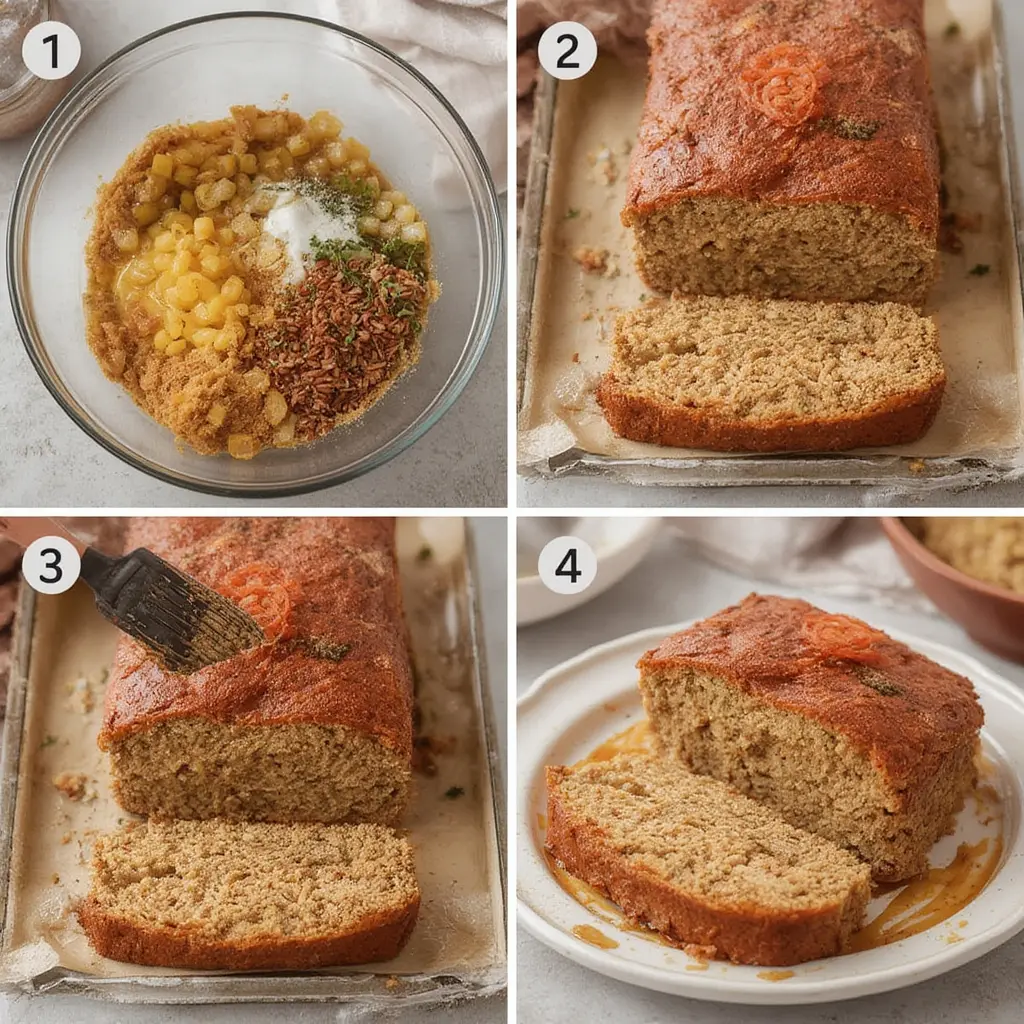
Before we start, pull your ground beef out of the refrigerator about 15 minutes early. Cold meat straight from the fridge can tighten up during mixing, which makes overworking it more likely. Room temperature meat = better texture.
- Preheat & Prep Your Pan: Set your oven to 350°F (175°C). Line a 9×5 inch loaf pan with parchment paper, leaving some overhang on the sides this creates handles for easy lifting later. Alternatively, shape your meatloaf free-form on a rimmed baking sheet lined with foil; this method allows more surface area to caramelize.
- Make the Glaze First: In a small bowl, stir together the ketchup, brown sugar, and yellow mustard until smooth. Set it aside you’ll need it in two stages.
- Combine the Wet Ingredients: In a large mixing bowl, whisk together the eggs, milk, and Worcestershire sauce. Add the garlic powder and black pepper and give it another quick stir. This step ensures your seasonings distribute evenly before the meat ever enters the picture.
- Add the Dry Ingredients: Tip in the breadcrumbs and the full packet of Lipton onion soup mix. Stir briefly to combine everything into a rough, slightly wet mixture. Let it sit for two minutes this gives the breadcrumbs time to absorb the liquid, which is the secret to that perfect, sliceable texture.
- Introduce the Meat: Add the ground beef directly to the bowl. Using clean hands or a large fork, mix everything together using a folding motion rather than aggressive kneading. You want everything just combined about 30 to 40 seconds of mixing. Overworked meat produces a dense, tough loaf, so resist the urge to go longer.
- Shape It: Transfer the mixture to your prepared pan or baking sheet. If using a loaf pan, press it in gently and smooth the top. If going free-form, shape it into a roughly 9×5 inch oval, about 2 inches tall. Even thickness matters more than perfect edges.
- Apply the First Glaze: Spoon or brush roughly half of your glaze over the top and sides of the loaf. This base layer bakes into the meat, adding flavor from early on rather than just coating the surface.
- Into the Oven: Bake uncovered at 350°F for 45 minutes. You’ll start to see the glaze darkening and the edges pulling slightly from the pan both good signs.
- Add the Finishing Glaze: After 45 minutes, pull the meatloaf out and brush the remaining glaze generously over the top. Return it to the oven for another 15–20 minutes, until the internal temperature reads 160°F on an instant-read thermometer.
- Rest Before Slicing: This step is non-negotiable. Let the meatloaf rest in the pan for 10 full minutes before cutting. The juices redistribute during this time cutting too early sends them all running onto the cutting board instead of staying in each slice.
- Slice & Serve: Use the parchment overhang to lift the loaf out cleanly, transfer to a cutting board, and slice into ¾-inch portions using a sharp knife. The glaze should be lacquered and slightly sticky. Each slice should hold its shape cleanly.
Expert Secrets
- The mixing method is everything: Treat ground beef the same way you’d treat pie dough minimum contact, gentle hands. The more you work the protein, the tighter it gets.
- Don’t skip the rest time: Ten minutes of patience yields dramatically juicier slices. Set a timer and walk away.
- Free-form beats loaf pan for caramelization: A loaf pan is convenient, but shaping directly on a baking sheet exposes more surface area to the heat, giving you more of that gorgeous, glazed crust on all sides.
- Temperature is your truth: Don’t rely on time alone. An instant-read thermometer at the thickest center point hitting 160°F is the only reliable indicator of doneness. Ovens vary more than you’d think.
- Add-ins go in last: If you’re including bell pepper, parmesan, or any other mix-ins, add them after you’ve combined everything else. It helps prevent overworking the meat while incorporating extras.
- Brown sugar in the glaze caramelizes, not just sweetens: It creates those slightly charred, almost barbecue-style edges on the top that make people reach for a second slice.
Make It Your Own
Dietary Swaps:
- Gluten-free version: Replace breadcrumbs with certified GF oats (pulsed briefly in a blender) or almond flour. Use a GF Worcestershire sauce as well.
- Leaner option: Swap to ground turkey or a beef/pork blend. Add 2 extra tablespoons of milk and a tablespoon of olive oil to compensate for reduced fat content.
Flavor Variations:
- Smoky BBQ twist: Replace the yellow mustard in the glaze with smoked paprika and a splash of liquid smoke. Add a teaspoon of chipotle powder into the meat mixture.
- Italian-style: Mix in ¼ cup grated parmesan, a teaspoon of dried Italian seasoning, and swap the ketchup glaze for marinara sauce. Top with mozzarella in the final 10 minutes.
- Cheesy center: Press the meat into the pan halfway, lay slices of cheddar or provolone down the middle, then cover with the remaining meat mixture. Hidden cheese moment.
Ingredient Alternatives:
- No breadcrumbs? Crushed Ritz crackers or rolled oats both work surprisingly well as binders.
- No milk? Unsweetened almond milk, beef broth, or even sour cream thinned slightly are all solid substitutes.
How to Serve & Enjoy
- The classic plate: Thick slices alongside mashed potatoes and roasted green beans. Spoon any pan juices over the top for a built-in gravy situation.
- Weeknight upgrade: Serve over creamy polenta with sautéed mushrooms. It transforms the dish into something that feels almost restaurant-worthy.
- Next-day meatloaf sandwich: Cold slice on toasted sourdough with sharp cheddar, pickled onions, and a swipe of mayo. Truly one of life’s underrated pleasures.
- Family-style presentation: Bring the whole loaf to the table on a wooden board with a couple of knives for self-serve slicing. It has real “Sunday dinner” energy.
Keeping It Fresh
Fridge:Store cooled meatloaf in an airtight container or wrapped tightly in foil for up to 4 days. Slice before storing if you prefer grab-and-go portions, or keep it whole to preserve moisture.
Freezer:Meatloaf freezes beautifully. Wrap individual slices in plastic wrap, then place them in a zip-top freezer bag. Frozen slices keep well for up to 3 months. Label with the date future-you will appreciate it.
Reheating:For the best results, reheat slices in a covered skillet over medium-low heat with a splash of beef broth (about 2 tablespoons) to generate steam. Microwave works in a pinch cover loosely and heat in 60-second intervals. The oven method (325°F for 15–20 minutes, covered with foil) is ideal for reheating a larger portion.
Make-Ahead:You can fully mix and shape the meatloaf up to 24 hours ahead. Cover tightly with plastic wrap and refrigerate unbaked. Pull it out 20 minutes before you plan to bake, add the first layer of glaze, and proceed as directed. The flavors actually develop beautifully overnight.
Nutrition Facts
Per serving (based on 8 servings, estimated):
- Calories: 295
- Protein: 24g
- Carbohydrates: 14g
- Fat: 15g
- Sodium: 620mg
Values are approximate and will vary based on specific brands and any optional add-ins used.
If you’ve been searching for a dinner that delivers every single time no complicated technique, no hard-to-find ingredients, no three-hour commitment this is genuinely it. There’s something deeply satisfying about a recipe this straightforward producing results this consistently good. It’s the kind of dish that earns a permanent spot in your regular rotation, not just a one-time “that was nice” moment.
The next time someone in your house asks what’s for dinner and you pull this out of the oven, golden and glazed and smelling absolutely incredible you’ll understand why this style of cooking has endured for generations. Simple doesn’t mean boring. It means reliable, comforting, and made with intention.
What variation are you planning to try first the smoky BBQ twist, the cheesy center surprise, or the classic original? Drop your answer (and any questions!) in the comments below. I read every single one.
Your Questions Answered
Q: Can I use French onion soup mix instead of the standard Lipton onion blend?A: Yes, with a caveat French onion soup mix tends to have a slightly sweeter, more complex flavor profile. It works, but the result will taste noticeably different from the classic version. If that’s what you have on hand, reduce the brown sugar in the glaze by half to avoid the overall dish veering too sweet.
Q: My meatloaf keeps cracking down the center while baking. What am I doing wrong?A: Cracking usually happens for one of two reasons: the meat was overmixed (tightening the proteins, which then split under heat), or the loaf was shaped too tall and narrow. Aim for a flatter, wider loaf no more than 2 inches tall and use that gentle folding technique during mixing. A small crack is normal and purely cosmetic; a deep fissure usually points to one of those two culprits.
Q: Is there a way to make this without eggs if someone has an allergy?A: Absolutely. Replace each egg with either 3 tablespoons of plain unsweetened applesauce or 1 tablespoon of ground flaxseed mixed with 3 tablespoons of water (let it sit for 5 minutes before using). The flax egg produces a slightly earthier flavor, while applesauce keeps it neutral. Either way, the binder still works effectively.
Q: Can I make individual mini meatloaves instead of one large loaf?A: This is actually my preferred method for meal prepping. Divide the mixture into a standard muffin tin (greased well) for mini loaves, or shape 6–8 small ovals on a baking sheet. Reduce the bake time significantly individual portions at this size typically take 25–30 minutes at 350°F. Apply glaze at the 15-minute mark.
Q: My glaze burned before the inside was fully cooked. How do I prevent that?A: A few possible causes: your oven runs hot (common with older or gas ovens), you applied the glaze too early, or the brown sugar content is slightly high for your specific oven. For prevention, apply the glaze only in the final 15–20 minutes rather than at the 45-minute mark. You can also tent loosely with foil if the top is darkening faster than expected, then remove it for the last 5 minutes to set the glaze.
Q: How do I know if the meatloaf is actually done without a thermometer?A: A thermometer is genuinely the most reliable method here, and I’d encourage investing in a basic instant-read one (they’re inexpensive and useful for so many things). Without one, look for these visual cues: the loaf should be pulling away from the sides of the pan, the juices running from the center should be clear rather than pink, and a thin knife inserted into the thickest point should come out without any pink meat clinging to it.
Q: Can I add vegetables directly into the meat mixture, or will they make it too wet?A: You can, but moisture management is key. Vegetables with high water content zucchini, mushrooms, raw onion should be sautéed and cooled before adding, otherwise they release steam during baking and can make your loaf fall apart. Bell pepper and finely shredded carrot are the most forgiving raw additions, as their moisture content is easier to control. Keep vegetable add-ins to no more than ½ cup total to maintain the right meat-to-binder ratio.
Have you tried the dish?
There are no reviews yet. Be the first one to write one.
