
Swamp Soup Fish River Grill: The Bold, Smoky Southern Bowl You Didn’t Know You Needed
Deep in the bayou kitchens of the Gulf South, certain recipes don’t get written down they get passed along through steam and smoke and the sound of a cast iron lid rattling on a pot. This is one of them.
In coastal Louisiana and along the slow-moving rivers of the Mississippi Delta, fish soup has never been a delicate, refined affair. It’s hearty. It’s smoky. It’s built for people who’ve spent the morning on the water and come home with a cooler full of fresh catch and a serious appetite. The tradition of grilling fish directly over an open flame before adding it to a rich, vegetable-packed broth is older than most cookbooks and it produces a depth of flavor that no amount of bouillon cubes can replicate.
What sets this recipe apart from your average fish chowder is that two-step approach: grill first, simmer second. The charred, caramelized exterior of the fish dissolves into the broth in the most extraordinary way, leaving behind smoky undertones and a silky, almost velvety texture. If you’ve ever made the swamp stew popular along the Alabama Gulf Coast, you’ll recognize the spirit of this dish but this version cranks up the grill-smoke dimension and layers in a few extra aromatics that make it genuinely unforgettable.
Whether you’re cooking for a crowd on a cool autumn evening or just craving something that tastes like it has a story, this is your recipe. Let’s get into it.
At a Glance:
- ⏲️ Prep: 20 min
- 🔥 Cook: 45 min
- ⏰ Total: 65 min
- 🍴 Serves: 6
- 📊 Level: Medium
- 🌍 Cuisine: Southern / Gulf Coast
- 🥘 Type: Main Course Soup
- 🥗 Diet: Gluten-Free, Dairy-Free
What Makes This Swamp Soup Fish River Grill So Irresistible
There’s a reason this dish has stuck around Southern kitchens for generations. Once you make it, you’ll understand exactly why.
- The grill-to-pot technique is a total game changer. Charring the fish before it hits the broth creates a smoky backbone that no stovetop-only recipe can touch. It’s the kind of complexity that makes people ask, “Wait, what is that flavor?”
- It’s genuinely affordable. Catfish, tilapia, or any firm white river fish works beautifully here no need for expensive seafood. You’re getting a restaurant-worthy result on a very real-world budget.
- One pot after the grill. Once the fish is done, everything comes together in a single Dutch oven. Less cleanup, more enjoyment.
- It feeds a crowd without stressing you out. This recipe scales up easily doubling it for a gathering is completely straightforward.
- The leftovers are arguably better the next day. The flavors deepen overnight in a way that will make you guard your lunch container aggressively.
- Completely customizable heat level. Dial the spice up for a fire-forward bowl or keep it mild for family-friendly weeknight comfort.
What You’ll Need
For the Grilled Fish:
- 2 lbs firm white fish fillets (catfish, tilapia, or bass work perfectly) patted dry
- 2 tbsp olive oil
- 1 tsp smoked paprika
- 1 tsp garlic powder
- ½ tsp cayenne pepper adjust to your heat preference
- Salt and black pepper to taste
For the Soup Base:
- 2 tbsp olive oil or butter
- 1 large yellow onion, diced
- 4 cloves garlic, minced
- 2 stalks celery, sliced
- 1 green bell pepper, diced
- 1 can (14 oz) fire-roasted diced tomatoes
- 4 cups fish stock or low-sodium chicken broth
- 2 cups water
- 2 medium Yukon gold potatoes, cut into ½-inch cubes
- 1 cup frozen corn kernels
- 1 tsp dried thyme
- 1 tsp Creole or Cajun seasoning
- 2 bay leaves
- Juice of ½ lemon
Optional Add-ins:
- Sliced okra (traditional and highly recommended it gently thickens the broth)
- A splash of hot sauce for serving
- Fresh parsley or green onion tops for garnish
💡 Can’t find fish stock? Clam juice diluted with water is a surprisingly effective substitute. You can usually find it near the canned seafood in most grocery stores.
Kitchen Essentials
- Outdoor grill or grill pan essential for that signature smoky char on the fish
- Large Dutch oven or heavy-bottomed pot holds heat evenly for a proper simmer
- Fish spatula flexible enough to flip delicate fillets without breaking them apart
- Sharp chef’s knife you’ll be doing a fair amount of vegetable prep
- Ladle for serving without breaking up the fish pieces once they’re in the broth
How to Make Swamp Soup Fish River Grill Step by Step
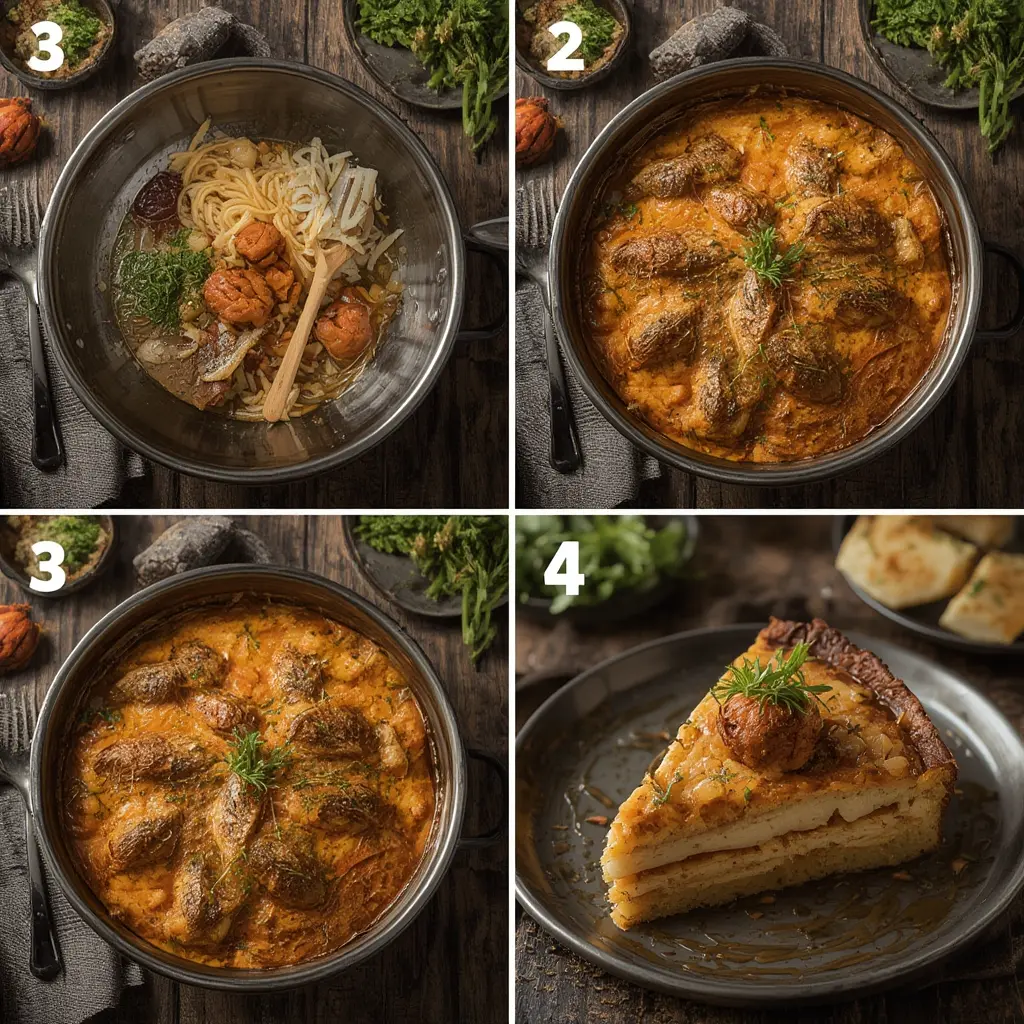
- Season the fish generously. In a shallow dish, whisk together olive oil, smoked paprika, garlic powder, cayenne, salt, and pepper. Coat each fillet thoroughly on both sides and let them sit at room temperature for about 10 minutes while your grill heats up. This brief rest helps the seasoning penetrate and ensures more even cooking.
- Fire up the grill. Preheat your outdoor grill or grill pan over medium-high heat. You’re looking for around 400–425°F hot enough to get a good sear without burning through the spice crust before the fish cooks through.
- Grill the fillets. Place the seasoned fish directly on oiled grill grates. Cook for 3–4 minutes per side, depending on thickness, until you see clear char marks and the flesh starts to flake at the edges. Don’t move the fillets around let them sit and develop that crust. Set aside on a plate; they don’t need to be fully cooked through at this point since they’ll finish in the broth.
- Build your aromatic base. Warm olive oil in your Dutch oven over medium heat. Add the diced onion, celery, and green bell pepper. Cook for 6–8 minutes, stirring occasionally, until everything softens and turns translucent and faintly golden at the edges. Add the minced garlic and cook for another 60 seconds until fragrant your kitchen will smell absolutely incredible at this point.
- Add the tomatoes and spices. Pour in the fire-roasted tomatoes with their juices, then sprinkle in the thyme, Creole seasoning, and nestle in the bay leaves. Stir everything together and let the tomatoes cook down for about 3 minutes, concentrating their flavor slightly.
- Pour in the liquid and potatoes. Add the fish stock, water, and cubed potatoes. Raise the heat to bring the pot to a gentle boil, then reduce to a steady simmer. Cook for 12–15 minutes until the potatoes are just tender when pierced with a fork.
- Add corn and okra. Stir in the frozen corn (and okra if using). Simmer for another 5 minutes. The okra, if included, will start releasing its natural starches and gently thickening the broth this is exactly what you want.
- Break in the grilled fish. Using your hands or a fork, break the grilled fillets into large, rustic chunks not too small, you want satisfying pieces throughout the bowl. Gently fold them into the simmering broth. The charred edges will begin dissolving into the soup, releasing all that smoky depth.
- Simmer together. Let everything cook together for 8–10 more minutes on low heat. This is where the magic really happens the fish finishes cooking, the smoke mingles with the tomato-herb broth, and the entire pot becomes something greater than the sum of its parts. Squeeze in the lemon juice and taste for seasoning.
- Final check and rest. Remove the bay leaves, adjust salt and pepper if needed, and take the pot off the heat. Let it rest uncovered for 5 minutes before ladling into bowls. That brief resting period allows the flavors to settle and the broth to thicken just slightly.
If you’ve ever made a swamp stew before, you’ll notice this technique produces a noticeably smokier, richer result thanks to that initial grilling step it’s a small extra effort that pays dividends in every single spoonful.
Expert Secrets
- Fish choice matters more than you think. Catfish is the classic choice for this style of Gulf Coast cooking its mild flavor and firm texture hold up beautifully after grilling. Tilapia is a widely available alternative, but avoid thin, flaky fish like sole or flounder, which will completely dissolve in the broth.
- Don’t skip the resting time after grilling. Letting the fish sit for even 5 minutes before adding it to the pot helps it hold its shape as you break it up, giving you those satisfying rustic chunks rather than a crumbled mess.
- Use fire-roasted tomatoes, not regular. The difference is noticeable fire-roasted varieties add a subtle char that complements the grilled fish and ties the whole smoky theme together.
- Low and slow is the mantra once the fish hits the pot. A hard boil will break the fish apart too aggressively. Keep it at the gentlest possible simmer once you’ve added those chunky fillets.
- Deglaze if using a cast iron grill pan. If you grilled indoors, use ¼ cup of broth to scrape up any caramelized bits from the pan and add them directly to your soup base pure flavor gold hiding right there.
Make It Your Own
Dietary Swaps:
- Use avocado oil instead of olive oil for a higher smoke point during the grilling stage
- For a lower-carb version, swap the potatoes for diced turnips or cauliflower florets which, speaking of turnips, reminds me: if you love root vegetable soups, you absolutely need to check out this [step-by-step recipe for hearty turnip soup](https://www.thedaileydish.com/step-by-step-recipe-for-hearty-turnip-soup) for another warming bowl night
Flavor Variations:
- Smoky chipotle version: Add 1–2 chopped chipotle peppers in adobo sauce along with the tomatoes for a deep, smoky heat that’s slightly different from the Cajun spice route
- Herb-forward Gulf style: Add a handful of fresh thyme sprigs and swap lemon juice for lime it brightens the whole bowl considerably
Ingredient Alternatives:
- No fresh fish? Frozen fillets work well just thaw completely and pat very dry before seasoning and grilling
- Indoor cooking only? A heavy cast iron grill pan on your stovetop over high heat replicates the char effect remarkably well
- Shrimp addition: Toss in a half pound of peeled, deveined shrimp during the last 4 minutes of simmering for a surf-and-surf version that’s genuinely spectacular
How to Serve & Enjoy
- Classic Southern style: Ladle into deep bowls alongside thick slices of cornbread for soaking up every last drop of that smoky broth.
- Garnish with intention: A handful of sliced green onions, a drizzle of good hot sauce, and a wedge of lemon on the rim make the presentation pop and they all genuinely improve the flavor too.
- Weekend gathering centerpiece: Set up a toppings bar with hot sauce options, fresh herbs, and crusty bread. Let guests customize their own bowl this always generates serious enthusiasm.
- Lighter lunch option: Serve in smaller portions with a crisp, acidic coleslaw on the side to balance the smoky richness of the soup.
Keeping It Fresh
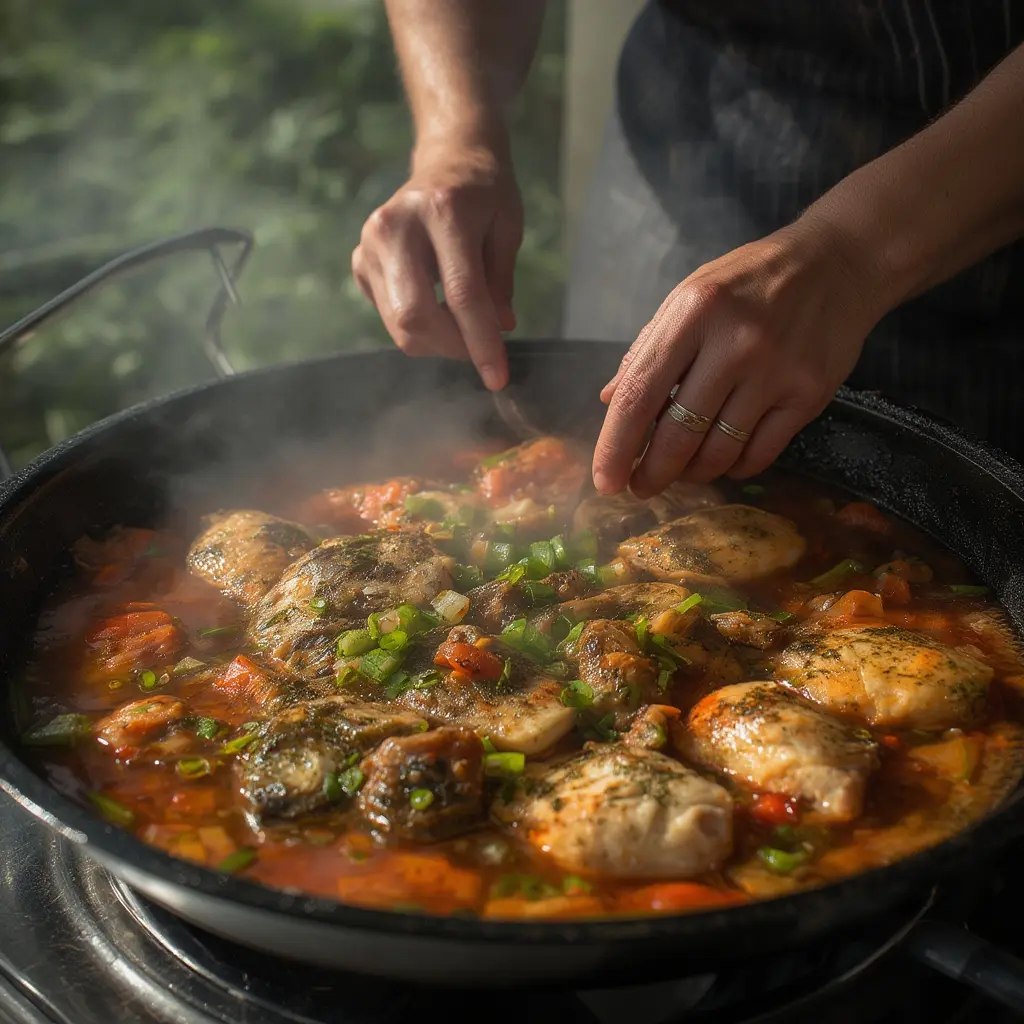
Fridge:Store cooled soup in an airtight container for up to 3 days. The flavor genuinely deepens by day two the smokiness becomes more integrated and the broth thickens beautifully.
Freezer:This soup freezes reasonably well for up to 2 months. Freeze in individual portions if possible. Note that the potato texture will soften considerably after freezing and reheating if you plan to freeze, consider undercooking the potatoes slightly before storing.
Reheating:Warm gently on the stovetop over medium-low heat, stirring occasionally. Add a splash of broth or water if the soup has thickened too much during storage. Avoid microwaving on high it can make the fish tough and rubbery.
Make-Ahead:The soup base (everything up to and including the vegetables and broth) can be made up to 2 days ahead and refrigerated. Grill and add the fish when you’re ready to serve for the freshest result.
Nutrition Facts
Per serving (estimated, based on 6 servings):
- Calories: 285
- Protein: 28g
- Carbohydrates: 22g
- Fat: 9g
- Fiber: 3g
- Sodium: 540mg
Values are approximate and will vary depending on specific ingredients and fish variety used.
There’s something deeply satisfying about a recipe that rewards patience and a little extra effort and this is absolutely one of those. The act of grilling the fish before it ever touches the pot transforms what could be a simple weeknight soup into something with genuine soul and complexity. Every bowl tells the story of that open flame.
Whether you’re cooking this for the first time or it’s becoming a cold-weather staple in your rotation, I hope it brings the warmth and smoky character that made me fall so hard for this style of Gulf Coast cooking. And if you’ve been exploring the full swamp soup fish river grill approach for the first time today welcome. You’re going to love where this takes your kitchen.
What variation are you planning to try first the chipotle version, the shrimp addition, or the classic straight-up original? Drop it in the comments below. I read every single one and love hearing how your version turned out!
Your Questions Answered
Q: Can I use smoked fish instead of fresh-grilled fillets?A: You can, with some important adjustments. Smoked fish (like smoked catfish or whitefish) will contribute a more intense, concentrated smokiness so reduce your Cajun seasoning by half and add the smoked fish during the last 5 minutes only, since it’s already fully cooked. The result will be different but deeply delicious in its own right.
Q: My broth turned out thin how do I thicken it without flour?A: The most traditional fix is adding more okra and letting it simmer uncovered for an additional 10 minutes. Alternatively, mash 3–4 of the cooked potato chunks against the side of the pot and stir them in this releases starch that naturally thickens the broth beautifully without changing the flavor profile.
Q: The grilled fish is falling apart before I can add it to the soup what went wrong?A: This usually happens with very thin fillets or fish that was slightly underpatted before seasoning. For this recipe, aim for fillets at least ¾-inch thick, and make sure they’re thoroughly dry before the oil and spices go on. Also, grill on high enough heat that the fish sears quickly rather than steaming.
Q: Can I make this recipe on a camp stove or outdoor burner?A: Absolutely and honestly, this is one of those recipes that’s even more fun to make outdoors. Use a portable grill grate over a campfire or a propane burner for the grilling step, then move to a heavy camp pot for the soup base. The outdoor cooking environment genuinely enhances the whole experience.
Q: How spicy is this exactly, and can I adjust it for kids?A: As written, it’s a medium heat noticeable warmth but not overwhelming. For a kid-friendly version, omit the cayenne entirely from the fish rub and swap the Cajun seasoning for a mild Creole blend or simply season with garlic powder, paprika, and salt. You can serve hot sauce on the side for the adults who want to turn up the heat.
Q: What’s the best fish for this recipe if catfish isn’t available where I live?A: Firm white river or lake fish work best bass, perch, walleye, or even cod and haddock from the grocery store. The key quality you’re looking for is firmness: the fish needs to hold up through grilling and simmering without disintegrating. Avoid anything delicate or oily like salmon, which will overpower the broth’s flavor balance.
Q: Can I make the grilling step work under a broiler instead?A: Yes, this is actually a solid indoor workaround. Position your oven rack about 4 inches from the broiler element, line a baking sheet with foil, and broil the seasoned fillets for 4–5 minutes per side. Watch them closely broilers vary considerably in intensity and the difference between nicely charred and overdone can be just a minute or two.
Have you tried the dish?
There are no reviews yet. Be the first one to write one.
