
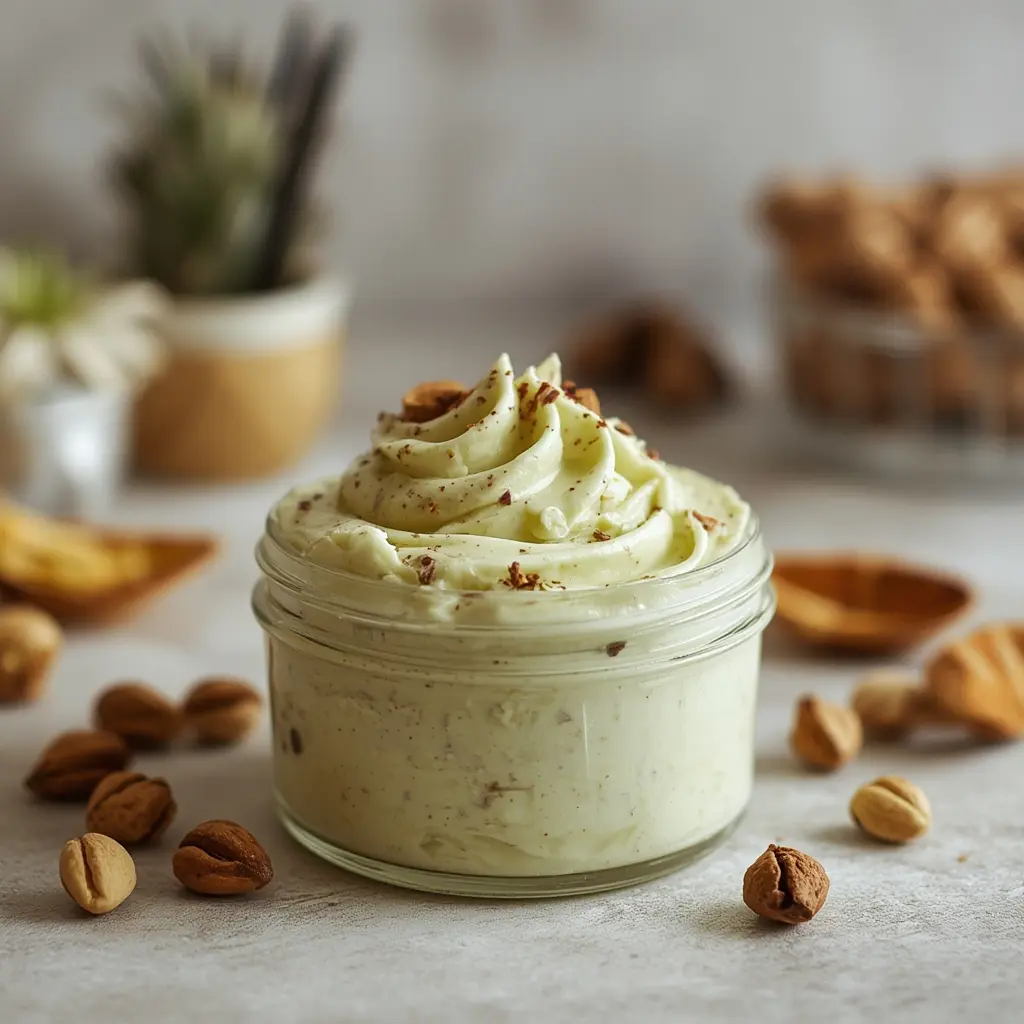
Silky, Dreamy, Utterly Addictive: Homemade Sicilian Pistachio Cream
In the sun-drenched kitchens of Bronte, Sicily a small town perched on the slopes of Mount Etna pistachios aren’t just an ingredient. They’re a way of life. The volcanic soil there produces some of the world’s most intensely flavored, vibrantly green pistachios, and generations of Sicilian home cooks have transformed them into something almost magical: a luscious, velvety spread that turns ordinary moments into something worth remembering.
This recipe is my love letter to that tradition. Once you learn how to make sicilian pistachio cream at home, store-bought spreads will feel like a pale imitation. We’re talking a rich, deeply nutty paste with just the right balance of sweetness smooth enough to ribbon off a spoon, thick enough to hold its shape on a croissant. It’s the kind of thing you’ll catch yourself eating straight from the jar at midnight, and I say that with zero judgment.
What surprised me most when I first made this was how few ingredients it actually takes to achieve something so complex-tasting. A handful of quality pistachios, a little patience, and the right technique that’s genuinely it. Whether you’re planning to swirl it into gelato, layer it into a tart, or simply spread it across warm brioche, this pistachio spread is about to earn permanent real estate in your refrigerator.
At a Glance:
- ⏲️ Prep: 20 min
- 🔥 Cook: 10 min
- ⏰ Total: 30 min (plus cooling time)
- 🍴 Serves: Makes approximately 1 cup (8–10 servings)
- 📊 Level: Easy
- 🌍 Cuisine: Italian / Sicilian
- 🥘 Type: Spread / Condiment / Dessert Component
- 🥗 Diet: Gluten-Free, Vegetarian
What Makes This Pistachio Cream So Irresistible
Before we get into the kitchen, let me give you a few very good reasons this recipe deserves a spot in your repertoire:
- Incredibly versatile Stir it into morning yogurt, layer it in a layer cake, dollop it onto waffles, or use it as a sophisticated filling for homemade pastries. Few condiments work this hard.
- Surprisingly simple Despite its gourmet reputation, the method is completely beginner-friendly. If you can operate a food processor, you’ve got this.
- No preservatives, no mystery ingredients Unlike jarred versions that contain palm oil and artificial flavoring, every single element here is something you can actually pronounce.
- Genuinely stunning color That jewel-bright, almost electric green is 100% natural. It photographs beautifully and makes everything it touches look elevated.
- Scales effortlessly Double or triple the batch with zero extra effort. It stores beautifully, making it an excellent make-ahead treat or a genuinely impressive homemade gift.
What You’ll Need
For the Pistachio Base:
- 1 cup (140g) raw, unsalted shelled pistachios the greener, the better (look for Sicilian or Turkish varieties for the most vibrant color and flavor)
- 3 tablespoons neutral oil sunflower or light coconut oil both work beautifully
- 3 tablespoons powdered sugar sifted, to avoid grittiness
- 1 tablespoon white chocolate chips, melted optional but adds a gorgeous creaminess
- 1–2 tablespoons warm whole milk (or oat milk for a dairy-free version) added gradually for texture
- ½ teaspoon pure vanilla extract
- A small pinch of fine sea salt this is non-negotiable; it lifts everything
Optional Enhancements:
- ½ teaspoon almond extract for a deeper, more floral nuttiness
- 1 teaspoon honey in place of some powdered sugar for a warmer sweetness
- A few drops of culinary-grade pistachio oil if you want to push the intensity over the edge
A note on sourcing: Raw, unskinned pistachios can usually be found at Middle Eastern grocery stores, Italian delis, or online. They’ll deliver a far more vivid green result than the roasted, salted variety you find at the grocery checkout aisle.
Kitchen Essentials
- High-speed blender or food processor A powerful machine makes the difference between truly smooth cream and a grainy paste. A mini food processor works but will take more time.
- Fine mesh sieve or nut milk bag For blanching and peeling the pistachios; optional but recommended for color.
- Small saucepan For the blanching step.
- Rubber spatula You’ll be scraping down the sides more than once; a good flexible spatula is your best friend here.
- Clean glass jar with a tight-fitting lid For storage and, let’s be honest, for the Instagram shot.
How to Make Sicilian Pistachio Cream (Step-by-Step)
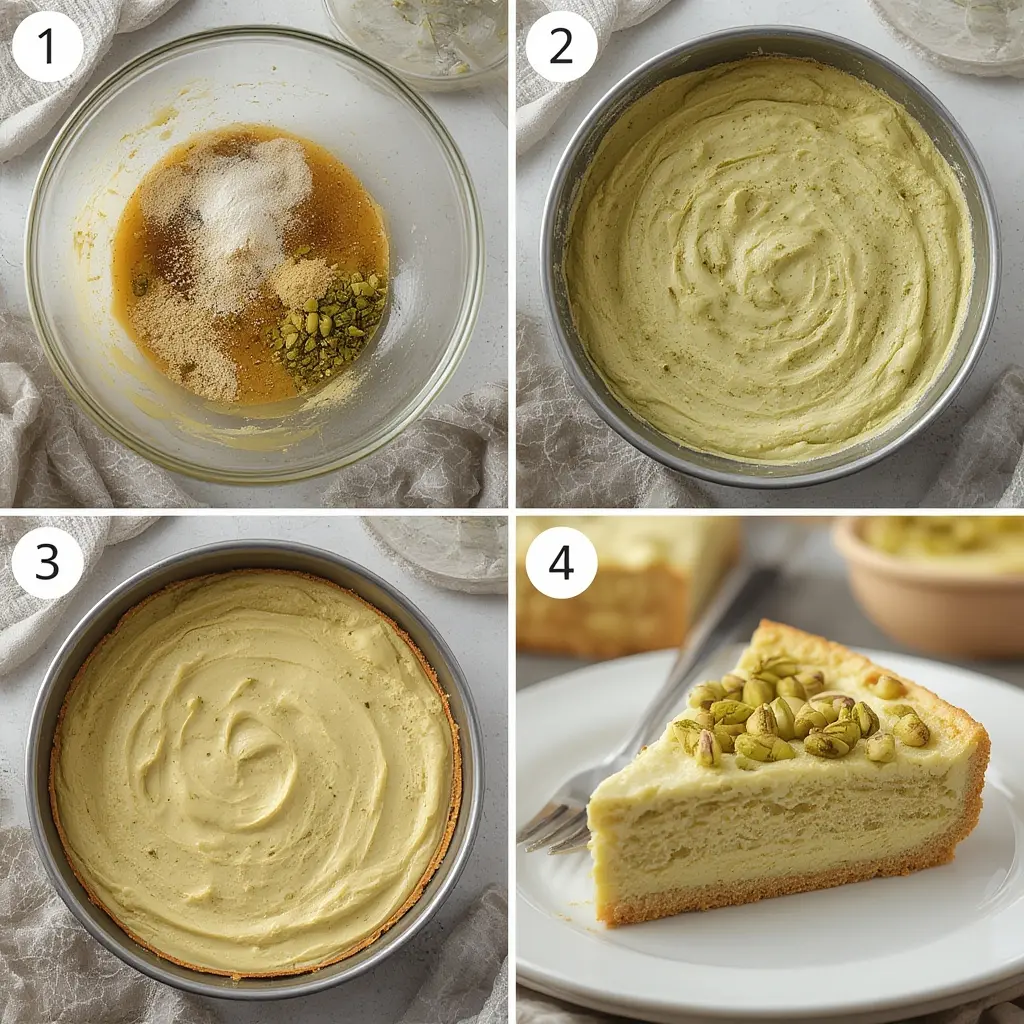
- Blanch the pistachios: Bring a small pot of water to a rolling boil. Add your shelled pistachios and let them blanch for exactly 60 seconds no longer, or they’ll start to soften and lose some of their fresh flavor. Drain immediately and rinse under cold water to stop the cooking.
- Peel off the skins: This step is a little meditative, honestly. Pinch each pistachio between your fingers and the papery skin slips right off. The color underneath is stunning deeply emerald and bright. Pat them dry thoroughly with a clean kitchen towel. Any residual moisture will work against you later.
- Toast lightly (optional but worth it): Spread the peeled pistachios on a dry skillet over medium-low heat. Stir them constantly for 2–3 minutes until you can smell their oils warming and they feel slightly dry to the touch. Don’t let them brown. Pull them off the heat and let them cool completely before the next step this is important.
- Begin blending: Transfer the cooled pistachios to your food processor. Pulse in short bursts about 10 times to break them down into a coarse crumb. Then run the machine continuously for 1–2 minutes, scraping down the sides as needed, until you reach a thick, paste-like consistency.
- Add the fat: Stream in your neutral oil one tablespoon at a time while the machine is running. Watch the texture transform it goes from crumbly paste to something silkier with each addition. This is where patience pays off.
- Sweeten and season: Add the sifted powdered sugar, vanilla extract, and that essential pinch of sea salt. Blend again for another minute. Taste it. Adjust the sweetness to your preference some people love it lightly sweet, others prefer a more dessert-forward richness.
- Adjust the consistency: Add warm milk (or your dairy-free alternative) a teaspoon at a time, blending between additions, until you reach your ideal texture. For spreading onto toast or croissants, aim for a thick but flowing consistency similar to a good tahini. For use as a pistachio sauce for dessert applications like drizzling over gelato or panna cotta, thin it slightly more.
- Add white chocolate (optional): If you’re using melted white chocolate, drizzle it in now while the processor is running. This adds a beautiful richness and helps the cream emulsify into an even glossier finish.
- Final blend: Run the machine for a full 2–3 minutes at this stage. Give it time. The longer you blend, the smoother and more luxurious the final texture becomes. Scrape down thoroughly one last time.
- Rest and set: Transfer to a clean glass jar. The cream will firm up slightly as it cools to room temperature this is completely normal. Give it a stir before serving if it’s been sitting a while.
Expert Secrets
- Moisture is the enemy of color: Make absolutely sure your peeled pistachios are bone dry before blending. Even a small amount of surface water can cause the cream to seize or turn grayish-green. A 5-minute air dry after towel-drying is a smart move.
- Don’t rush the blending process: If your food processor needs a rest, give it one. Running it in 2-minute intervals with short breaks prevents the motor from overheating and also prevents the nuts from warming up too much, which can make the oils go rancid faster.
- Temperature of add-ins matters: Both your milk and melted white chocolate should be warm not hot when added. Cold liquids added to blended nuts cause the mixture to clump and seize almost immediately.
- Powdered sugar, always: Granulated sugar won’t fully dissolve and will leave an unpleasant gritty texture. Sifted powdered sugar incorporates invisibly and smoothly.
- Quality of pistachios = quality of result: This is a recipe with nowhere to hide. Stale or low-grade nuts will produce a flat-tasting, brownish cream. Spend a little more on good pistachios you’ll taste the difference in every single bite.
Make It Your Own
Dietary Swaps:
- Replace whole milk with full-fat oat milk or almond milk for a fully dairy-free version that still feels indulgent
- Skip the white chocolate entirely for a more pure, naturally occurring pistachio flavor with a slightly less sweet profile
Flavor Variations:
- Rose & Pistachio: Add ½ teaspoon of rosewater in the final blending stage for a Middle Eastern-inspired floral twist that’s absolutely breathtaking on baklava
- Dark Chocolate Swirl: Layer this cream with melted dark chocolate in a jar for a sophisticated version of the classic hazelnut spread gift-worthy in every sense
- Citrus Brightness: A tiny amount of finely grated lemon or orange zest adds a high note that cuts beautifully through the richness
Texture Alternatives:
- Chunky style: Reserve a handful of roughly chopped pistachios and fold them in at the very end for a spread with satisfying texture contrast
- Ultra-smooth: Press the finished cream through a fine mesh sieve for an almost silky-smooth consistency perfect for pastry filling applications
How to Serve & Enjoy
- The classic approach: Spread generously onto warm, buttery brioche or a freshly toasted croissant. Add a cup of strong espresso and call it a perfect morning.
- Dessert elevation: Swirl through vanilla gelato or spoon over a slice of ricotta cheesecake. The contrast of cold, creamy gelato and the warm nuttiness of the pistachio spread is genuinely special.
- Pastry filling: This cream pipes beautifully into choux pastry, cream puffs, or cannoli for a Sicilian-inspired twist on classic French patisserie.
- Elegant cheese board addition: Serve alongside aged pecorino, honeycomb, and dried figs for a sophisticated appetizer spread that will have your guests asking for the recipe.
- Simple afternoon treat: Spread onto rice cakes or apple slices for a lighter snack that still feels a little luxurious.
Keeping It Fresh

Fridge:Store in a clean, airtight glass jar in the refrigerator for up to 2 weeks. The cream will firm up considerably when cold simply let it sit at room temperature for 10–15 minutes or give it a quick stir before using. Always use a clean, dry spoon to avoid introducing moisture.
Freezer:This cream actually freezes quite well for up to 2 months. Portion it into an ice cube tray for easy single-serving thawing. Defrost overnight in the refrigerator and stir thoroughly before use it may need a splash of warm milk and a good mix to restore its original consistency.
Reheating:Not typically necessary, but if the cream has become very stiff after refrigeration, place the jar (without the lid) in a bowl of warm water for a few minutes, or microwave in 10-second bursts, stirring between each, until softened.
Make-Ahead:This is an excellent make-ahead recipe. The cream actually tastes better after 24 hours in the fridge as the flavors meld and deepen. Blanch and peel your pistachios a day ahead to save time when you’re ready to blend.
Nutrition Facts (Per 2-tablespoon serving, estimated):
- Calories: 142
- Protein: 4g
- Carbs: 8g
- Fat: 11g
- Fiber: 1.5g
Values are approximate and will vary based on specific ingredients and quantities used.
There’s something quietly triumphant about pulling a jar of this from the refrigerator, knowing you made it yourself. What often sits on café shelves in Bronte at a premium price point is absolutely achievable in your own kitchen and when the ingredients are this simple and the process this rewarding, homemade really is the better choice.
I genuinely hope this recipe becomes one of those go-to jars you always have on hand. It’s the kind of thing that makes an ordinary Tuesday breakfast feel like something to look forward to, and a dinner party dessert feel wildly impressive with minimal effort. If you want to dive deeper into the history and cultural roots behind this spread, my guide on sicilian pistachio cream is a wonderful place to start.
What variation are you most excited to try first the rose water twist, the dark chocolate swirl, or keeping it classic? Drop your answer in the comments below. I read every single one, and I’d love to see what creative directions you take this recipe!
Your Questions Answered
Q: My pistachio cream turned out grayish-green instead of bright green. What went wrong?A: This almost always comes down to one of two things: either the pistachios weren’t fully peeled (the skins are naturally brownish and dull the color significantly) or there was moisture present during blending that caused oxidation. Make sure you’re removing all the papery skins after blanching and that everything pistachios, food processor bowl, spatula is completely dry before you start.
Q: Can I use roasted and salted pistachios instead of raw ones?A: Technically yes, but with caveats. Roasted pistachios will give you a darker, more toasted flavor profile rather than the fresh, grassy sweetness of raw nuts it’s a different result, not a bad one. If using salted roasted pistachios, skip the added sea salt entirely and reduce the powdered sugar slightly since roasted nuts have a more pronounced flavor that pairs well with less sweetness.
Q: Why is my cream grainy even after blending for a long time?A: Graininess usually points to one of two culprits: the powdered sugar wasn’t sifted properly (any lumps won’t fully incorporate), or the food processor motor isn’t powerful enough to break down the nut cell walls completely. For very smooth results with a less powerful machine, try adding an extra tablespoon of oil and blend in longer intervals with rest periods in between.
Q: Can I make this without a food processor using a blender?A: A high-powered blender like a Vitamix can actually produce an even smoother result than a food processor just use the tamper tool to keep things moving. A standard countertop blender will struggle and may overheat; if that’s all you have, add a bit more oil to help the mixture circulate and stop frequently to scrape down the sides.
Q: How do I know if I’ve added too much milk and made it too thin?A: If the cream runs off a spoon in a thin stream rather than falling in thick ribbons, it’s gotten too loose. Unfortunately there’s no perfect “fix” at this stage, but you can partially compensate by blending in an additional tablespoon of powdered sugar or a teaspoon of melted white chocolate, which will tighten it back up somewhat. Going forward, always add liquid one teaspoon at a time it’s much easier to thin than to thicken.
Q: Can I use this recipe as a filling inside macarons or layered cakes without it making things soggy?A: Absolutely it’s actually a beautiful macaron filling. For cakes and layered pastries, the key is ensuring the cream is cold and firm before assembly. You can also mix it with an equal part of softened mascarpone to create a stiffer, more stable frosting-like filling that pipes cleanly and holds its shape between layers at room temperature.
Q: What’s the difference between this and the jarred pistachio cream sold at Italian specialty stores?A: Commercial versions typically contain palm oil (for shelf stability and texture), artificial pistachio flavoring, and sometimes milk powder or emulsifiers. The homemade version you’re making here relies entirely on the natural oils from the nuts which means the flavor is more complex, more fragrant, and noticeably fresher. It doesn’t last as long on a shelf, but that’s precisely what makes it special.
Have you tried the dish?
There are no reviews yet. Be the first one to write one.
