
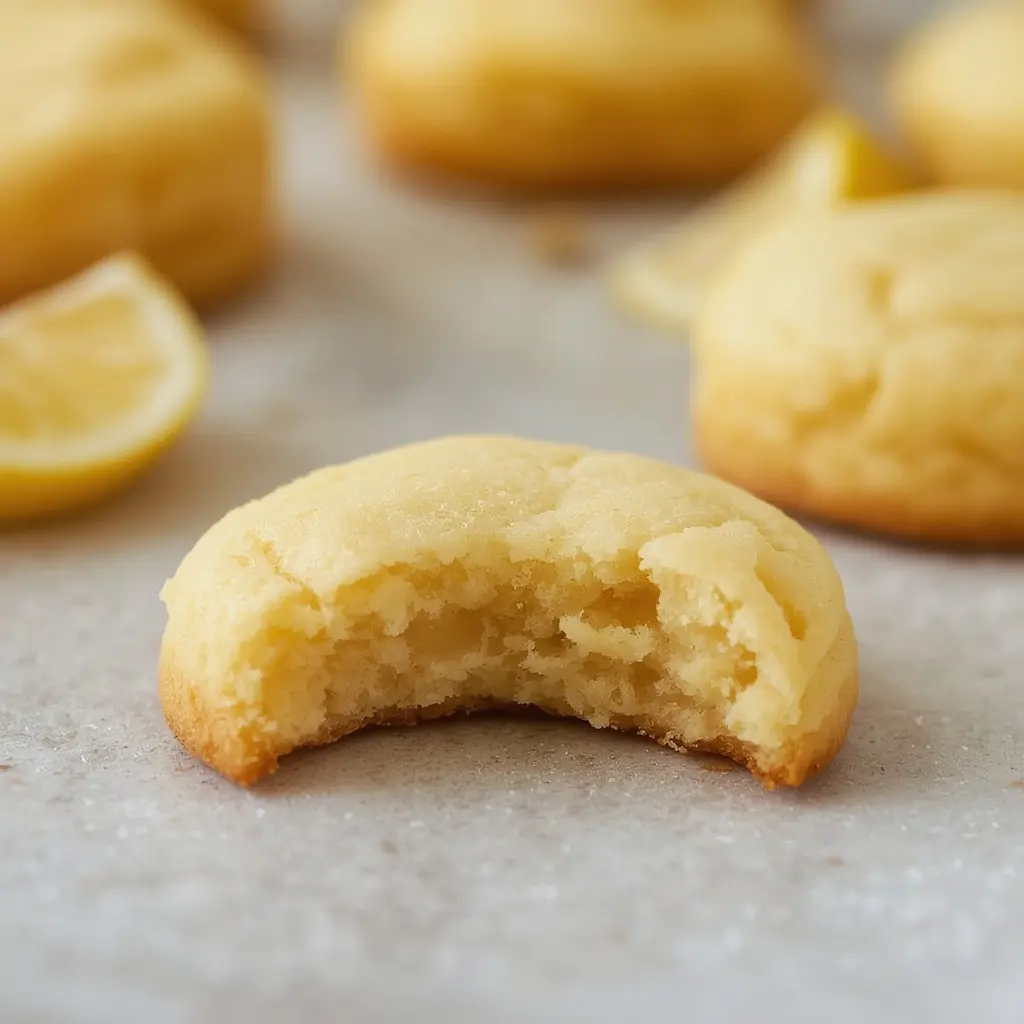
Sunshine in Every Bite: Pillowy Soft Lemon Cookies That’ll Steal the Show
There’s something almost magical about the moment citrus zest hits a warm kitchen…
Imagine the aroma of fresh lemon zest curling up from your mixing bowl bright, floral, and just a little tangy mingling with the warm, buttery scent of cookies already beginning to crisp at the edges in the oven. That’s the exact moment I fell completely head-over-heels for this recipe. It started as a rainy Sunday experiment and turned into the most-requested treat I bring to literally every gathering. Friends who claim they “don’t really like lemon desserts” have eaten four of these in one sitting and asked for the recipe before they’d finished chewing.
What sets these apart from every other citrus cookie you’ve baked? It’s the texture. Not cakey, not crunchy pillowy. The kind of soft that makes you pause mid-bite. If you’ve been searching for the ultimate soft lemon cookie recipe that actually delivers on that promise, you’ve landed in the right place. These are tender to the very center, with a bright citrus punch that doesn’t fade into blandness after the first bite.
A quick note before we dive in if you love a bit of drama with your lemon cookies, you might also want to peek at lemon crinkles for a powdered sugar-coated variation that’s equally stunning on a cookie platter. But today? We’re perfecting this classic, glossy-topped, melt-in-your-mouth version together.
At a Glance:
- ⏲️ Prep: 20 min
- 🔥 Cook: 11 min
- ⏰ Total: 31 min (+ 30 min chill time)
- 🍴 Serves: 24 cookies
- 📊 Level: Easy
- 🌍 Cuisine: American
- 🥘 Type: Dessert / Snack
- 🥗 Diet: Vegetarian
What Makes This Soft Lemon Cookie Recipe So Irresistible
There are a hundred lemon cookie recipes floating around the internet, so let me tell you exactly why this one earns a permanent spot in your rotation:
- That texture is no accident. A precise ratio of butter to cream cheese is the secret weapon here it keeps every cookie impossibly soft for days, not just fresh out of the oven.
- Real lemon flavor, front and center. We’re using both zest AND fresh juice, which means you get the aromatic oils from the peel plus the bright tartness of the juice. No extracts needed (though you can certainly add a drop if you like).
- No stand mixer required. A hand mixer or even a wooden spoon and some elbow grease will get you there. The method is genuinely simple.
- They look bakery-worthy with minimal effort. The smooth, slightly domed tops crack just barely as they cool elegant without trying.
- Crowd-adaptable. These cookies work equally well at a summer garden party, tucked into a holiday cookie tin, or wrapped up as a thoughtful homemade gift.
- The glaze is entirely optional but life-changing. A two-ingredient lemon glaze takes these from “delicious” to “people will absolutely ask you for the recipe.”
What You’ll Need
For the Cookie Dough:
- 2 ¼ cups (280g) all-purpose flour
- ½ tsp baking soda
- ¼ tsp baking powder
- ½ tsp fine sea salt
- ¾ cup (170g) unsalted butter, softened to room temperature
- 2 oz (55g) full-fat cream cheese, softened
- 1 cup (200g) granulated sugar
- 1 large egg, room temperature
- 1 egg yolk, room temperature
- 2 tbsp fresh lemon juice (about 1 large lemon)
- 2 tbsp lemon zest (from 2–3 lemons, packed)
- 1 tsp pure vanilla extract
For the Lemon Glaze (Optional but Highly Recommended):
- 1 cup (120g) powdered sugar, sifted
- 2–3 tbsp fresh lemon juice
- ½ tsp lemon zest (optional, for extra flecks of color)
Optional Add-ins:
- ½ tsp lemon extract (amplifies the citrus note beautifully)
- Pinch of turmeric (purely for a deeper golden hue completely tasteless)
- Sprinkle of flaky sea salt on top before baking
Ingredient note: For the absolute best flavor, please use fresh lemons rather than bottled juice. The difference is genuinely significant here fresh zest in particular brings a fragrance that no shelf-stable product can replicate. Meyer lemons are a gorgeous swap if you can find them; they’re slightly sweeter and floral.
Kitchen Essentials
Nothing exotic needed here, but a few specific tools will make your life easier:
- Microplane or fine zester gets you those fine, feathery shreds of zest without any bitter white pith
- Stand mixer or hand mixer for properly creaming butter and sugar to that fluffy, pale consistency
- Cookie scoop (medium, ~1.5 tbsp) ensures uniform size and even baking
- Parchment paper or silicone baking mat prevents sticking and promotes even browning on the bottom
- Cooling rack critical for letting air circulate underneath so cookies don’t steam and go soggy
How to Make Soft Lemon Cookies from Scratch (Step-by-Step)
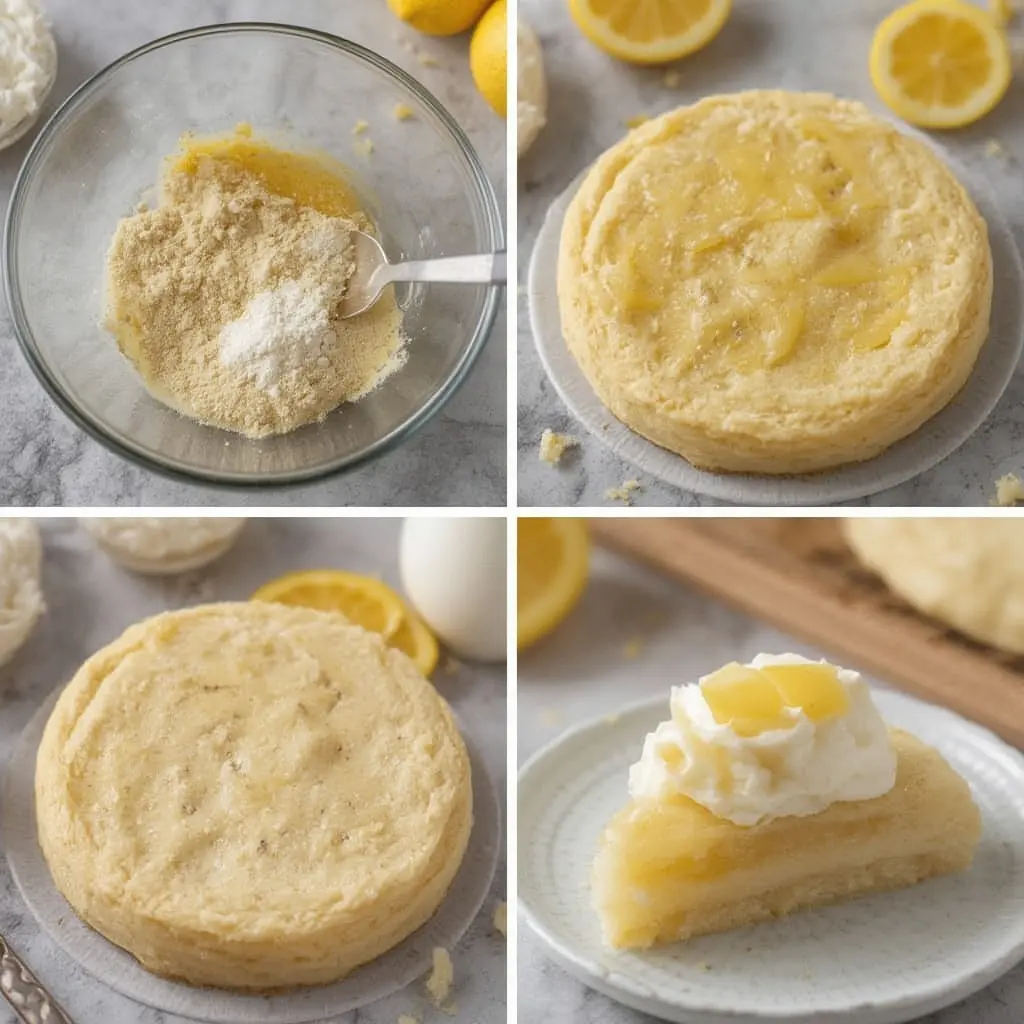
- Zest first, always: Before cutting your lemons, zest them over a small bowl. This single habit saves so much frustration once a lemon is juiced, zesting becomes nearly impossible. Set the zest aside; it’ll perfume the whole kitchen while you work.
- Whisk your dry ingredients: In a medium bowl, combine flour, baking soda, baking powder, and salt. Whisk briefly to distribute everything evenly, then set aside.
- Cream the butter, cream cheese, and sugar: In a large mixing bowl, beat the softened butter and cream cheese together on medium-high speed for about 2 minutes until completely smooth and unified. Add the granulated sugar and continue beating for another 2–3 minutes until the mixture is pale, fluffy, and noticeably lighter in color. Don’t rush this step it’s where the soft texture begins.
- Add eggs and flavoring: Beat in the whole egg first, followed by the egg yolk. Then pour in the lemon juice, lemon zest, and vanilla extract. The mixture may look slightly curdled at this stage completely normal, it will come together once the flour goes in.
- Incorporate the dry ingredients: With your mixer on low (or switching to a spatula), add the flour mixture gradually. Mix just until the last streak of flour disappears. Overmixing at this stage develops gluten and leads to tougher cookies stop the moment it looks combined.
- Chill the dough: Cover the bowl with plastic wrap and refrigerate for at least 30 minutes, up to overnight. This step is non-negotiable for getting that thick, puffy shape. Warm dough spreads flat; cold dough bakes up beautifully domed.
- Preheat your oven: Set it to 350°F (175°C) and line two baking sheets with parchment paper or silicone mats.
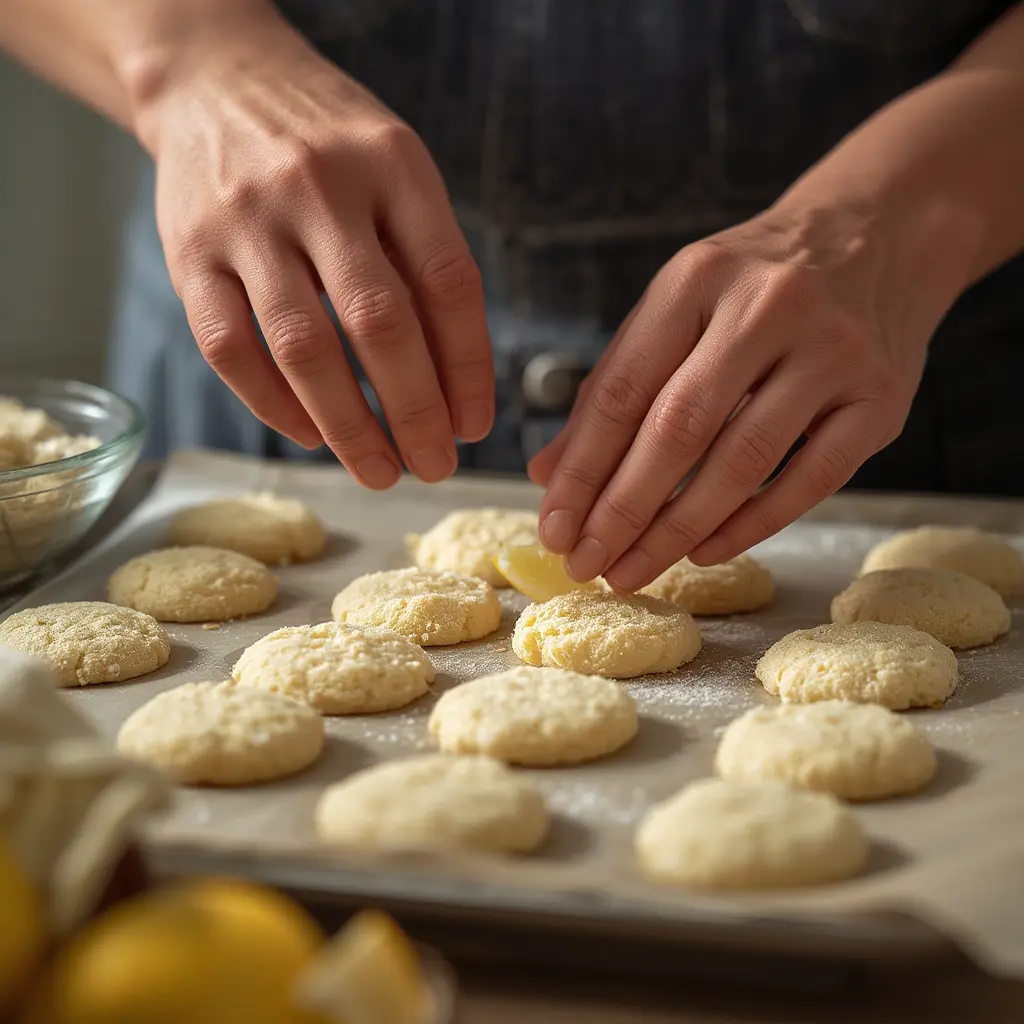
- Scoop and space: Using your cookie scoop, portion the chilled dough into balls roughly 1.5 tablespoons each. Place them about 2 inches apart on the prepared sheets. If you want a picture-perfect round, roll each ball briefly between your palms.
- Bake: Slide into the center rack and bake for 10–12 minutes. The edges should look just barely set and the centers will appear slightly underdone almost glossy. This is exactly what you want. They firm up as they cool, and pulling them even 30 seconds early makes a noticeable difference.
- Cool on the pan: Let the cookies rest on the baking sheet for 5 minutes before transferring to a wire rack. They’re quite delicate straight from the oven.
- Make the glaze: Whisk powdered sugar with lemon juice, starting with 2 tablespoons and adding more until you reach a thick but pourable consistency think slightly thicker than heavy cream. Drizzle or spoon over completely cooled cookies. Let set for about 15 minutes before stacking.
My Best Advice for Perfect Results
- Room temperature really matters: Cold butter won’t cream properly, leaving you with a dense, greasy dough. Pull your butter and eggs out at least an hour before baking.
- Don’t skip the chill: I know it’s tempting. But that 30-minute rest in the fridge is the difference between thin, crispy discs and gloriously thick, soft centers. Patience is a baking virtue.
- Measure flour the right way: Spoon the flour into your measuring cup and level it off don’t scoop directly from the bag. That one habit can reduce your flour amount by up to 20% and is often the reason cookies turn out dry.
- The underbaked-looking center is intentional: If they look done in the oven, they’re overdone on the plate. Trust the process and pull them when the edges are just set.
- Glaze consistency tip: For a prettier finish, let your glazed cookies sit somewhere slightly warm (near the oven is perfect) the glaze sets with a gentle sheen rather than turning chalky white.
- Zest your lemons before juicing them (yes, this bears repeating it’s the tip I give every single person who bakes these for the first time).
Make It Your Own
Dietary Swaps:
- Dairy-free version: Replace butter with vegan butter (Miyoko’s works wonderfully) and use dairy-free cream cheese. The texture stays remarkably similar.
- Gluten-free adaptation: A 1:1 gluten-free flour blend with xanthan gum substitutes well here expect a slightly denser cookie but still delicious.
Flavor Variations:
- Lemon-lavender: Add ½ teaspoon of culinary lavender to the sugar before creaming for a floral, bakery-style twist.
- Lemon-poppy seed: Fold in 1 tablespoon of poppy seeds along with the dry ingredients a classic pairing with added visual interest.
- Citrus medley: Swap half the lemon zest for orange or lime zest. The complexity is really lovely.
Ingredient Alternatives:
- Cream cheese substitute: Full-fat Greek yogurt (2 oz) works in a pinch, though the texture will be slightly less rich.
- Egg yolk substitute: An extra tablespoon of butter adds a similar richness if you need to skip the yolk.
How to Serve & Enjoy
- For afternoon tea: Arrange on a tiered stand alongside Earl Grey or chamomile. The citrus plays beautifully against floral teas.
- As a dessert platter centerpiece: Pair with fresh raspberries or thin lemon slices for a striking presentation that looks like you spent way more time than you did.
- Gifting: Stack six in a clear cellophane bag, tie with yellow ribbon, and tuck in a handwritten note. They hold their shape well and travel beautifully.
- With ice cream: Sandwich a small scoop of vanilla or lavender ice cream between two cookies for a showstopper summer dessert.
Keeping It Fresh
Fridge:Store in an airtight container at room temperature for up to 5 days they actually get slightly softer on day two as the moisture redistributes. If your kitchen runs warm, refrigerate and bring to room temperature before serving.
Freezer:Both the baked cookies and the unbaked dough balls freeze beautifully. Freeze baked cookies in a single layer first, then transfer to a zip-lock bag for up to 2 months. Unbaked dough balls can go straight from freezer to oven just add 2–3 extra minutes to the bake time. Do not freeze cookies that have already been glazed.
Reheating:A quick 8–10 seconds in the microwave revives that fresh-baked softness perfectly. Any longer and they toughen.
Make-Ahead:The dough keeps in the fridge for up to 72 hours so you can absolutely mix it up on Thursday night and bake fresh on Sunday morning. The flavor actually deepens slightly with an overnight rest.
Nutrition Facts
Per cookie (estimated, without glaze):
- Calories: 138
- Protein: 2g
- Carbs: 18g
- Fat: 6g
- Sugar: 9g
Values are approximate and will vary based on specific ingredients used.
These cookies have a way of making people feel genuinely cared for there’s something about a homemade lemon treat that signals effort and warmth even when the recipe is completely approachable. Whether you’re baking for a crowd or just for yourself on a Tuesday afternoon (absolutely valid), this is the kind of recipe that becomes part of your permanent repertoire.
If you’re already a fan of citrusy baked goods, you’ll find that this soft lemon cookie recipe scratches an itch that most other cookies simply can’t reach it’s bright where chocolate is heavy, delicate where spiced cookies are bold, and just sweet enough without tipping into cloying territory.
What variation are you most excited to try first? The lemon-lavender twist? Classic with glaze? Or maybe you’re going rogue with a citrus medley? Drop your answer in the comments below I genuinely read every single one and love hearing how these turn out in your kitchen.
Your Questions Answered
Q: My cookies spread completely flat what went wrong?A: The most common culprit is skipping or shortening the chill time. Warm dough has too much give and spreads before it can set. Also double-check that your baking soda is fresh it loses effectiveness after about 6 months, and without proper lift, the cookies won’t dome up.
Q: Can I use bottled lemon juice instead of fresh?A: Technically yes, but the flavor difference is genuinely noticeable in a recipe this dependent on citrus. Bottled juice tends to taste flat and slightly metallic in baked goods. If fresh lemons absolutely aren’t available, try to at least use fresh zest it carries most of the bright, aromatic flavor.
Q: Why do my cookies look underdone when I pull them from the oven?A: They’re supposed to! The glossy, barely-set center you see at the 11-minute mark will firm up completely as the cookies cool on the pan. If they look done in the oven, they’ll be overdone (and dry) once cooled. Trust the timing.
Q: The dough feels really sticky is that normal?A: Yes, this dough is softer than a classic sugar cookie dough, especially if your kitchen is warm. That’s partly why chilling is so important. If it’s extremely sticky even after chilling, your butter may have been slightly too warm when you started a quick 10-minute extra chill in the freezer will firm it right up.
Q: Can I use a food processor instead of a mixer to make these?A: A mixer really is the better tool here you need that extended creaming time to properly aerate the butter and sugar, which a food processor can’t replicate. In a genuine pinch, hand-creaming with a wooden spoon and some serious effort works, but give it a solid 4–5 minutes.
Q: My glaze turned chalky white instead of shiny how do I fix it?A: Chalky glaze usually means either too much powdered sugar relative to liquid, or the glaze was applied to cookies that were too cold. Make sure cookies are fully at room temperature before glazing, and add lemon juice a few drops at a time to get that slightly thicker-than-cream consistency. Glazing near a warm oven (not in it!) also helps with the sheen.
Q: How do I get more lemon flavor without making the cookies too tart?A: Zest is your best friend for pure lemon flavor without added acidity it delivers that fragrant citrus punch through the aromatic oils in the peel rather than through tartness. You can safely add an extra tablespoon of packed zest. A tiny drop of pure lemon extract also amplifies the flavor significantly without affecting the tart-sweet balance at all.
Have you tried the dish?
There are no reviews yet. Be the first one to write one.
