
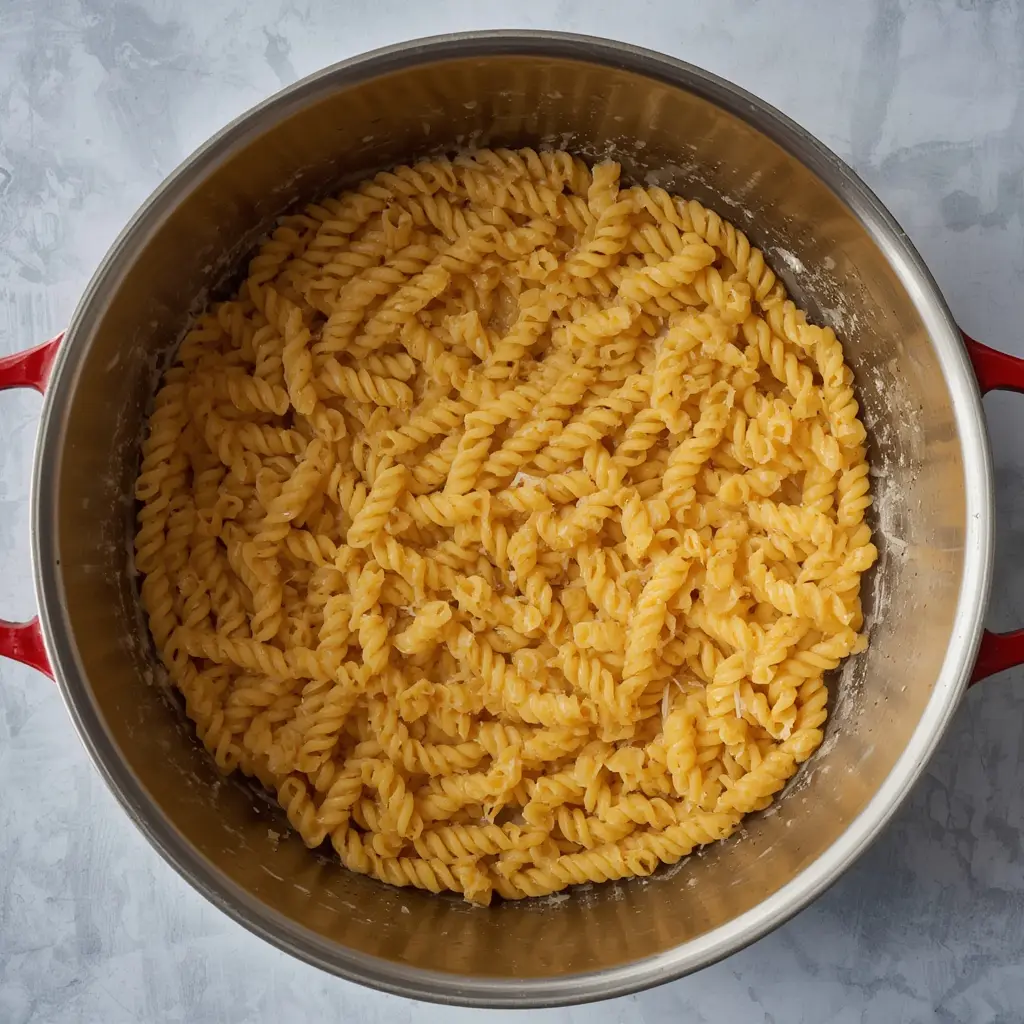
Ditalini Pasta Recipe: The Cozy Bowl You’ll Make on Repeat
In Southern Italy, there’s an unspoken rule if someone arrives at your door cold and hungry, you put a pot of water on the stove before you even take their coat. And nine times out of ten, what fills that pot ends up being a humble, soul-restoring bowl of ditalini. This tiny tube-shaped pasta carries centuries of peasant kitchen wisdom: inexpensive, forgiving, and somehow more satisfying than anything that costs three times as much.
That tradition traveled across oceans and landed squarely in home kitchens around the world and for good reason. Ditalini (Italian for “little thimbles”) has a magical ability to absorb flavors without disappearing into them. Whether it’s swimming in a rich tomato broth, nestled into a creamy bean soup, or tossed with garlicky olive oil and sautéed vegetables, this pasta punches well above its weight. If you’ve never given it a proper starring role in your weeknight dinner rotation, tonight is the night to change that.
Before we dive into the recipe itself, one of the most common cooking questions I get is how long to cook ditalini pasta and the answer genuinely depends on what you’re making. More on that in the steps below. For now, picture a bubbling pot, a generous handful of Parmesan, and the kind of dinner that makes everyone linger at the table a little longer than usual.
At a Glance:
- ⏲️ Prep: 15 min
- 🔥 Cook: 25 min
- ⏰ Total: 40 min
- 🍴 Serves: 4–6
- 📊 Level: Easy
- 🌍 Cuisine: Italian-American
- 🥘 Type: Main Course / Comfort Food
- 🥗 Diet: Vegetarian-adaptable
Everything You Need to Know About Ditalini Pasta
Here’s why this dish deserves a permanent spot in your meal planning lineup:
- It comes together in under 45 minutes faster than most delivery options, and infinitely more satisfying
- The ingredients are pantry staples canned tomatoes, broth, olive oil, and dried pasta are likely already in your kitchen
- It scales effortlessly double the batch for a crowd or halve it for a quiet dinner for two
- The texture is genuinely special those hollow little tubes trap broth and sauce in every single bite
- It reheats beautifully unlike some pasta dishes that turn gluey or sad overnight, ditalini holds up remarkably well the next day
- It’s endlessly customizable add sausage, swap in different vegetables, or keep it completely plant-based depending on your mood
What You’ll Need
For the Base:
- 1½ cups dried ditalini pasta
- 3 tablespoons extra-virgin olive oil
- 1 medium yellow onion, finely diced
- 4 garlic cloves, minced
- 2 medium carrots, diced small
- 2 celery stalks, diced small
- 1 teaspoon dried rosemary (or 1 fresh sprig)
- ½ teaspoon dried thyme
- 1 teaspoon kosher salt, plus more to taste
- ½ teaspoon black pepper
- Pinch of red pepper flakes (optional but recommended)
For the Broth & Body:
- 1 can (14.5 oz) diced fire-roasted tomatoes
- 1 can (15 oz) cannellini beans, drained and rinsed
- 4 cups good-quality vegetable or chicken broth
- 1 Parmesan rind (optional but this is the secret weapon)
To Finish:
- ½ cup freshly grated Parmesan, plus extra for serving
- Handful of fresh parsley or basil, roughly chopped
- Good olive oil for drizzling
- Crusty bread for serving (non-negotiable, in my opinion)
Optional Add-ins:
- 1 cup baby spinach or kale, stirred in at the end
- ½ lb Italian sausage, browned and crumbled
- Zucchini or bell pepper, diced
Can’t find ditalini at your regular grocery store? Check the Italian or international foods aisle it’s often shelved near orzo and other small-format pastas. Tubetti or small elbow macaroni work as a pinch substitution, though the texture won’t be quite the same.
Kitchen Essentials
- Large Dutch oven or heavy-bottomed pot distributes heat evenly and gives you room to stir without splashing
- Wooden spoon or silicone spatula for scraping up all those caramelized bits from the bottom
- Ladle essential for both cooking and serving
- Fine mesh strainer for rinsing the canned beans thoroughly
- Microplane or box grater freshly grated Parmesan is miles ahead of the pre-shredded stuff here
Step-by-Step: Perfect Ditalini Pasta Every Time
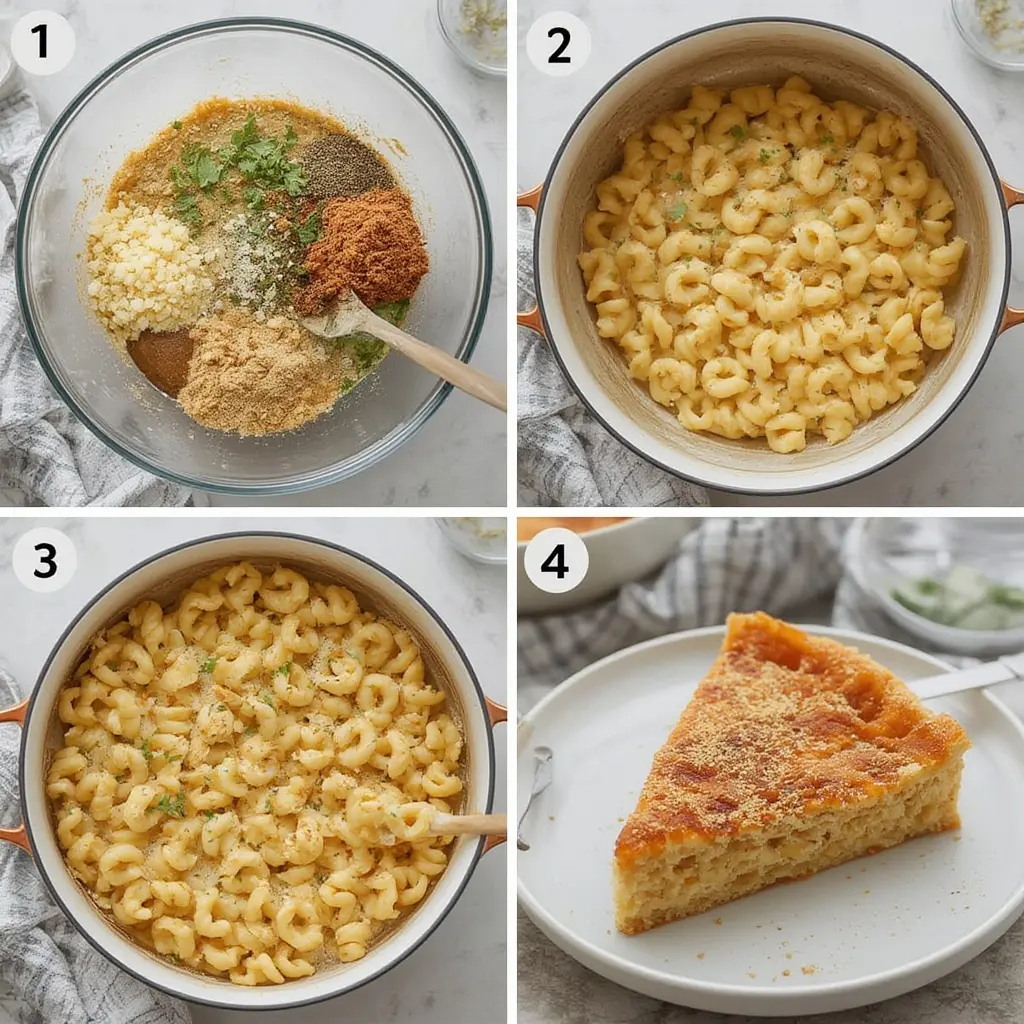
- Build your flavor foundation: Heat the olive oil in your Dutch oven over medium heat. Once it shimmers, add the onion, carrots, and celery. Cook, stirring occasionally, for 7–8 minutes until the vegetables soften and the onion turns translucent. Don’t rush this step it’s where your depth of flavor is born.
- Wake up the aromatics: Add the minced garlic, rosemary, thyme, red pepper flakes, salt, and black pepper. Stir everything together and let it cook for about 90 seconds. Your kitchen should smell absolutely incredible at this point garlicky, herby, and warm.
- Introduce the tomatoes: Pour in the fire-roasted tomatoes with all their juices. Stir well, scraping up any bits stuck to the bottom of the pot. Let the tomatoes cook into the vegetable mixture for about 3 minutes, stirring occasionally, until they begin to break down slightly.
- Add the beans and broth: Tip in the drained cannellini beans, pour over the broth, and if you have a Parmesan rind on hand, drop it straight into the pot. Bring everything to a gentle boil over medium-high heat.
- Simmer and develop: Once boiling, reduce the heat to medium-low. Let the soup simmer uncovered for about 10 minutes. This gives the flavors time to meld together you’ll notice the broth taking on a deeper, richer color as it goes.
- Crush some beans for body: Use the back of your spoon to smash about a quarter of the beans against the side of the pot. This releases their starch and gives the broth a naturally creamy consistency without adding any cream at all.
- Cook the pasta directly in the soup: Raise the heat back to medium and stir in the dry ditalini. This is where timing really matters if you’ve ever wondered about how long to cook ditalini pasta in a broth-based dish like this, aim for 9–11 minutes, stirring frequently. The pasta will absorb some of the broth as it cooks, which is exactly what you want. Taste it at the 9-minute mark it should be tender with just the faintest bite.
- Adjust the consistency: If the soup looks thicker than you’d like (ditalini really does drink up liquid), stir in a splash of hot water or extra broth and bring it back to temperature. If it’s too thin, let it bubble for another minute or two uncovered.
- Finish with Parmesan: Remove the Parmesan rind (it’s done its job beautifully). Stir in the grated Parmesan it will melt right into the broth, adding a subtle saltiness and umami depth. Taste and adjust seasoning one final time.
- Add any greens: If you’re using spinach or kale, stir it in now and let the residual heat wilt it for about 60 seconds.
- Serve immediately: Ladle into deep bowls, top with extra Parmesan, a scatter of fresh herbs, and a generous drizzle of your best olive oil.
This recipe draws inspiration from the classic Italian tradition of pasta e fagioli if you want to explore the heritage of this dish further, this simple ditalini pasta recipe from AllRecipes is a wonderful reference point for the original.
Expert Secrets
- Salt your judgment, not a formula: The saltiness of your broth varies wildly by brand. Always taste and season at the end rather than salting heavily at the beginning.
- Cook pasta in the soup, not separately: Unless you’re planning to store leftovers immediately, cooking ditalini directly in the broth is the move. It releases starch that thickens the soup naturally and absorbs flavor as it cooks.
- The Parmesan rind trick: If you regularly cook with Parmesan, save the rinds in a zip-lock bag in the freezer. Dropping one into any broth-based dish adds a savory, funky depth that’s almost impossible to replicate otherwise.
- Don’t walk away from the pasta stage: Once the ditalini goes in, stir every 2–3 minutes. Small pasta shapes can stick to the bottom of the pot if left unattended.
- Fresh herbs at the end, dried herbs at the beginning: Dried herbs need heat and time to release their flavor; fresh ones lose their brightness quickly. Keep them separate for the best result.
- Let it rest briefly before serving: Two to three minutes off the heat allows everything to settle and the flavors to come together. It also saves your guests from burning their tongues.
Make It Your Own
Dietary Swaps:
- Use vegetable broth and skip the Parmesan rind to make it fully vegan add a tablespoon of nutritional yeast at the end for that cheesy note
- Swap cannellini beans for chickpeas or borlotti beans for a slightly earthier profile
- Use gluten-free ditalini or another small gluten-free pasta shape if needed (cooking time may vary slightly)
Flavor Variations:
- Smoky & Spicy: Add a teaspoon of smoked paprika and double the red pepper flakes for a bolder, more assertive bowl
- Lemony & Bright: Stir in a teaspoon of lemon zest and a squeeze of juice just before serving it lifts the whole dish surprisingly well
- Herby Pesto Finish: Swirl a tablespoon of basil pesto into each bowl at the table instead of plain olive oil
Protein Add-ins:
- Brown crumbled Italian sausage in the pot before the vegetables and cook everything in the rendered fat
- Stir in shredded rotisserie chicken during the last 5 minutes for a heartier, protein-packed version
How to Serve & Enjoy
- Classic Italian style: Serve in wide, shallow bowls with a thick slice of grilled sourdough or a torn hunk of crusty baguette alongside the bread is non-negotiable for soaking up every last drop of broth
- For a dinner party: Ladle into small cups as an elegant starter before a main course the richness makes it feel more elevated than its humble ingredients suggest
- Family-style: Set the pot in the center of the table with toppings arranged around it extra Parmesan, fresh basil, chili oil, and crusty bread and let everyone garnish their own bowls
- Weeknight upgrade: A simple arugula salad with lemon vinaigrette alongside cuts through the richness and rounds out the meal beautifully
Keeping It Fresh
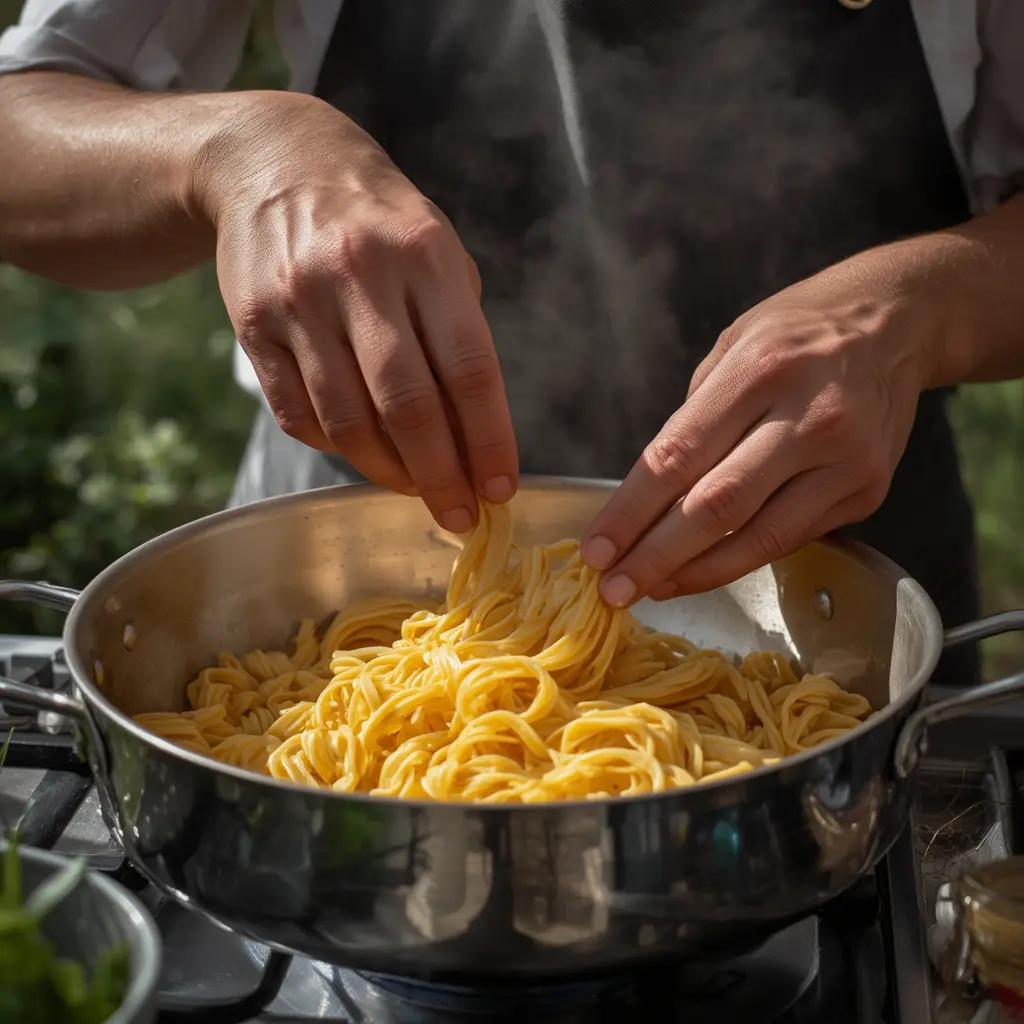
Fridge:Store cooled leftovers in an airtight container for up to 4 days. Keep in mind the pasta will continue absorbing liquid overnight, so what you pull out of the fridge will be noticeably thicker than what you originally made.
Freezer:The soup base (without the pasta) freezes beautifully for up to 3 months. Cook fresh ditalini directly into the reheated soup base when you’re ready to eat this gives you the best texture on the pasta every single time.
Reheating:Warm leftovers gently on the stovetop over medium-low heat, adding a splash of broth or water to loosen the consistency. Stir frequently and avoid a hard boil, which can make the pasta turn mushy.
Make-Ahead:The entire soup base vegetables, tomatoes, beans, and broth can be made up to 2 days ahead and refrigerated. Simply reheat it, bring it to a simmer, and cook the pasta fresh when you’re ready to serve.
Nutrition Facts
Per serving (based on 6 servings, estimated):
- Calories: 320
- Protein: 13g
- Carbohydrates: 45g
- Fat: 9g
- Fiber: 7g
- Sodium: 680mg
Nutritional values are approximate and will vary based on specific ingredients and portion sizes used.
There’s something deeply satisfying about a recipe this straightforward producing a result this good. No special equipment, no hard-to-find ingredients, no complicated technique just quality pantry staples, a little patience during the sauté stage, and a pot that practically cooks itself. That’s the honest magic of Italian-inspired cooking.
If you make this, I’d genuinely love to know how it turned out in your kitchen. Did you go the classic route, or did you take one of the variations for a spin? Drop your thoughts, swaps, or questions in the comments below I read every single one and often find my favorite new ideas buried in the replies.
And if you want to dig deeper into getting the pasta texture exactly right, check out the full timing guide over at how long to cook ditalini pasta it covers everything from stovetop to soup to baked applications so you’ll never second-guess yourself again.
Your Questions Answered
Q: My soup thickened into almost a stew overnight did I do something wrong?A: Not at all! This is completely normal behavior for ditalini cooked directly in broth. The pasta starches continue absorbing liquid as the soup sits. Simply stir in a cup or so of hot broth or water when reheating and it’ll loosen right back up to the consistency you remember.
Q: Can I use fresh ditalini pasta instead of dried?A: You can, but fresh pasta cooks much faster typically 2–3 minutes rather than 9–11 and tends to become quite soft in a broth environment. If you’re using fresh, add it only in the last 3 minutes of cooking and watch it closely.
Q: Do I have to crush the beans, or can I skip that step?A: You can absolutely skip it, but I’d encourage you to try it at least once. Crushing roughly a quarter of the beans against the pot gives the broth a naturally velvety body without any cream or thickener. It’s a small step that makes a noticeable difference in the final texture.
Q: My ditalini turned mushy what went wrong?A: The most likely culprit is cooking the pasta too long or leaving it sitting in the hot broth off the heat for an extended period. Small pasta shapes cook faster than you’d expect in liquid, especially when the soup is at a rolling simmer. Start tasting at the 9-minute mark and pull it off the heat as soon as it reaches your desired doneness.
Q: Can I make this in a slow cooker?A: The base adapts well to a slow cooker add everything except the pasta and cook on low for 6–8 hours or high for 3–4 hours. For the pasta, switch the slow cooker to high, stir in the dried ditalini, and cook for an additional 20–25 minutes. The timing is longer than stovetop because slow cookers don’t reach a true boil.
Q: What’s the best way to get more depth of flavor if my broth tastes flat?A: A few easy fixes: add a Parmesan rind during simmering (it’s genuinely transformative), stir in a teaspoon of white miso paste at the end, or add a splash of dry white wine after the garlic step and let it cook off completely. Any of these will add the savory complexity you’re after.
Q: Can I use a different type of bean if I don’t have cannellini?A: Absolutely. Great Northern beans are the closest substitute in terms of creaminess and mild flavor. Chickpeas give a slightly firmer texture and a nuttier taste. Borlotti beans are the traditional Italian choice for pasta e fagioli and add a beautiful earthy quality. All three work just drain and rinse regardless of which you choose.
Have you tried the dish?
There are no reviews yet. Be the first one to write one.
