

The Fizzy Secret to the Most Tender Cake You’ve Ever Tasted
There’s something almost magical about the way a cold can of 7UP transforms a humble box of cake mix into something that tastes completely from scratch. Not just “pretty good for a shortcut” I mean genuinely, embarrassingly delicious, the kind of cake that makes people set down their forks and ask, “Wait, you made this?” I stumbled onto this combination during a holiday baking marathon when I was short on time, long on ambition, and absolutely not willing to disappoint my family. What I pulled out of the oven that afternoon changed how I think about easy baking forever.
The carbonation in 7UP isn’t just a gimmick. Those tiny bubbles work overtime in the batter, creating an airy, almost cloud-like crumb that you simply can’t achieve with water or milk alone. The lemon-lime flavor adds a whisper of brightness that cuts through the richness without being overpowering subtle enough that people can’t quite put their finger on what makes the cake taste so alive. If you’ve ever made a 7 up cake using cake mix, you already know this secret. If you haven’t, welcome you’re about to become everyone’s favorite baker.
What I love most is that this recipe asks almost nothing of you. No creaming butter for ten minutes, no sifting, no complicated layering. Just a bowl, a few pantry staples, a cold can of soda, and about an hour of your time. This is the kind of recipe that earns its permanent spot in your collection.
At a Glance:
- ⏲️ Prep: 10 min
- 🔥 Cook: 50–55 min
- ⏰ Total: 65 min
- 🍴 Serves: 12–14 slices
- 📊 Level: Easy
- 🌍 Cuisine: American Southern
- 🥘 Type: Dessert / Snack Cake
- 🥗 Diet: Vegetarian
What Makes This 7 Up Cake Using Cake Mix So Irresistible
Let’s be real there are a thousand cake recipes on the internet. So why is this one worth your Saturday afternoon? Here’s what keeps people coming back:
- The texture is genuinely unreal. The soda creates a lift that makes the interior moist and tender while the crust develops this gorgeous, lightly golden shell that almost shatters when you cut it.
- It takes 10 minutes of actual effort. The oven does everything else. Perfect for busy weeknights, potlucks, and “I forgot I volunteered to bring dessert” emergencies.
- Pantry-friendly ingredients. Nothing here requires a specialty store run. If you bake occasionally, there’s a good chance you already have most of this on hand.
- It scales beautifully for crowds. Need a bigger cake? Double the recipe and use a larger bundt pan the ratios hold up perfectly.
- Endlessly customizable. The base recipe is neutral enough to take on glazes, frostings, fresh fruit, and flavor add-ins with zero resistance.
- It tastes like you actually tried. That’s the real win. Nobody at the potluck needs to know a can of soda was involved.
What You’ll Need
For the Cake Batter:
- 1 box (15.25 oz) yellow or lemon cake mix Duncan Hines or Betty Crocker both work beautifully
- 1 cup (2 sticks / 226g) unsalted butter, softened to room temperature
- 4 large eggs, room temperature
- 1 cup (8 oz) 7UP soda, at room temperature (cold soda can cause the butter to seize let it sit out for 20 minutes)
- 1 teaspoon pure vanilla extract
- 1 tablespoon fresh lemon zest (optional but highly recommended)
For the Lemon Glaze:
- 1½ cups powdered sugar, sifted
- 3–4 tablespoons fresh lemon juice
- 1 teaspoon 7UP (yes, a little more trust the process)
Optional Finishing Touches:
- Lemon slices or zest curls for garnish
- Fresh berries on the side
- A dusting of powdered sugar if you’re skipping the glaze
Quick note: You’ll want a 12-cup bundt pan for this recipe. If your pan is smaller, fill it about two-thirds full and bake any remaining batter in a small loaf pan on the side. Also and this is non-negotiable grease and flour that pan generously. A bundt cake that sticks is a heartbreaking thing.
Kitchen Essentials
- 12-cup bundt pan the shape isn’t just pretty; it helps the dense batter bake evenly from the inside out
- Stand mixer or hand mixer this batter is thick and needs a good couple of minutes of beating
- Rubber spatula for scraping every last bit of batter from the bowl
- Cooling rack air circulation underneath prevents the bottom from steaming and going soggy
- Microplane zester if you’re adding lemon zest (and you should), this tool makes it effortless
- Small whisk for mixing the glaze to silky perfection
How to Make 7 Up Cake Using Cake Mix (Step-by-Step)
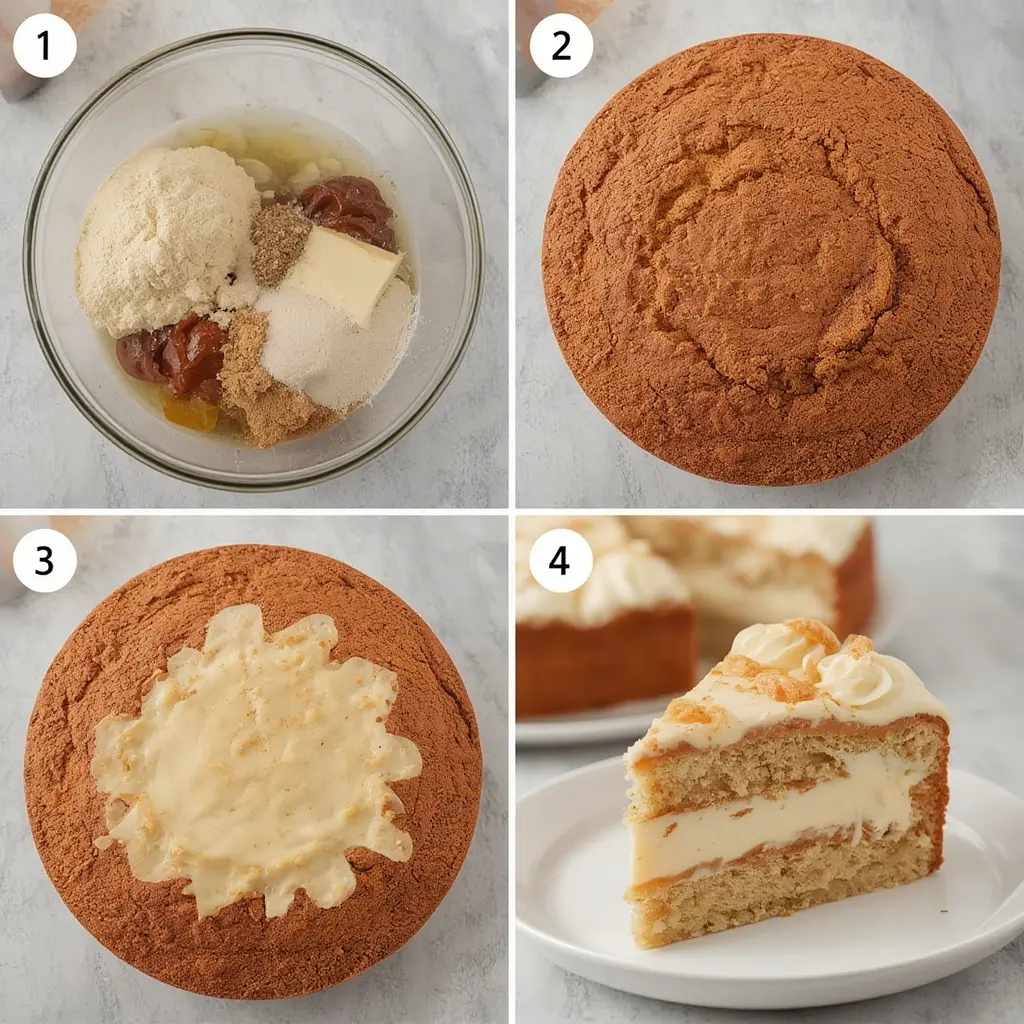
- Preheat and Prep: Set your oven to 325°F (163°C). Grease your bundt pan thoroughly with softened butter or baking spray, then dust it with flour, tapping out the excess. Every ridge and curve needs attention this is where most bundt cakes go wrong.
- Beat the Butter: In a large mixing bowl, beat the softened butter on medium speed for about 2 minutes until it’s pale and fluffy. Don’t rush this step well-aerated butter means a lighter cake.
- Add the Eggs: Add the eggs one at a time, beating for about 30 seconds after each addition. The mixture should look smooth and slightly glossy before you move on.
- Incorporate the Cake Mix: Add the dry cake mix all at once and beat on low just until combined about 20 seconds. Don’t overmix at this stage.
- Pour in the Soda: With the mixer on its lowest setting, slowly pour in the room-temperature 7UP. Add the vanilla extract and lemon zest if using. Mix until the batter just comes together and looks silky. A few small lumps are perfectly fine. The batter will be thick and gorgeous.
- Transfer to the Pan: Pour the batter into your prepared bundt pan, using a spatula to smooth the top evenly. Tap the pan gently on the counter two or three times to release any trapped air bubbles.
- Bake: Place the pan on the center rack and bake for 50–55 minutes. The cake is done when a wooden skewer inserted into the thickest part comes out clean and the top springs back when lightly pressed. Resist opening the oven door before the 45-minute mark.
- Cool in the Pan: Let the cake rest in the pan for exactly 10 minutes no longer. This is the sweet spot where the cake has firmed up enough to hold its shape but hasn’t started sticking to the pan.
- Unmold: Place a cooling rack over the top of the pan, then in one confident motion, flip the whole thing over. Lift the pan away slowly. If you prepped your pan properly, it should release cleanly with a satisfying thud.
- Make the Glaze: While the cake finishes cooling, whisk together the powdered sugar, lemon juice, and that final teaspoon of 7UP until you have a smooth, pourable glaze. It should coat the back of a spoon but still drip easily.
- Glaze and Serve: Once the cake is completely cool, drizzle the glaze over the top, letting it run naturally into the ridges and down the sides. Let it set for 5 minutes before slicing.
The result is something close to the classic 7up pound cake that Southern grandmothers have been perfecting for decades dense but never heavy, sweet but balanced, and deeply satisfying in every single bite.
Expert Secrets
- Room temperature everything: Cold eggs and cold soda both disrupt the emulsification of the batter. Set your ingredients out 30 minutes before you start and you’ll be rewarded with a smoother, more evenly baked cake.
- Don’t swap butter for oil: This recipe needs the structure and flavor that butter provides. Oil will make the cake greasier without adding any of the richness that makes this so good.
- Shake the soda first? Don’t. You actually want some of those bubbles intact when the soda hits the batter they contribute to the lift. Just open the can and pour gently.
- The glaze timing matters: A glaze applied to a warm cake will absorb and disappear. A glaze applied to a fully cooled cake will set on the surface and create that beautiful crackled shell. Wait for complete cooling.
- Test your oven temperature: Many home ovens run hot or cool. If your cakes have been burning around the edges lately, grab an inexpensive oven thermometer. For this recipe, precise temperature means the difference between a perfect crumb and a dry one.
- The greasing step is everything: Use actual butter (not cooking spray) and get into every single crevice of your bundt pan. Flour it after greasing. This is the single most common place people struggle with bundt cakes, and it’s entirely preventable.
Make It Your Own
Flavor Variations:
- Citrus Burst: Replace the lemon zest with orange zest and use orange juice in the glaze for a warm, sunny twist.
- Almond Cream: Add ½ teaspoon almond extract to the batter and top with a vanilla cream glaze instead of lemon elegant and unexpected.
- Strawberry Lemon: Fold ½ cup of freeze-dried strawberry powder into the batter alongside the cake mix for a fruity, pink-tinted version.
Dietary Swaps:
- Dairy-free: Use vegan butter (stick-style, not the spreadable tub kind) in a 1:1 swap the texture holds up surprisingly well.
- Lower sugar: Skip the glaze entirely and serve with fresh whipped cream and berries. The cake itself isn’t overly sweet, so it stands beautifully on its own.
Ingredient Alternatives:
- Cake mix flavor: Swap yellow for white cake mix for a slightly more delicate crumb, or use lemon cake mix to amplify that citrus note throughout.
- Sierra Mist or Sprite: If 7UP isn’t in your pantry, either of these clear lemon-lime sodas will work the flavor difference is genuinely minimal.
How to Serve & Enjoy
- Dressed up for guests: Place the glazed cake on a white cake stand, arrange thin lemon rounds around the base, and scatter a few fresh mint sprigs for color. It looks bakery-level stunning with almost zero effort.
- Casual weekend treat: Slice thick, dust with powdered sugar, and serve warm with a scoop of vanilla bean ice cream melting alongside. Absolute comfort.
- Brunch centerpiece: This cake works surprisingly well at brunch it’s not too heavy, and the citrus notes make it feel perfectly appropriate at 10am alongside a good coffee or mimosa.
- Gifting: Bake in a loaf pan instead of a bundt pan, wrap in parchment and twine, and you have a genuinely impressive homemade gift that travels well.
Keeping It Fresh
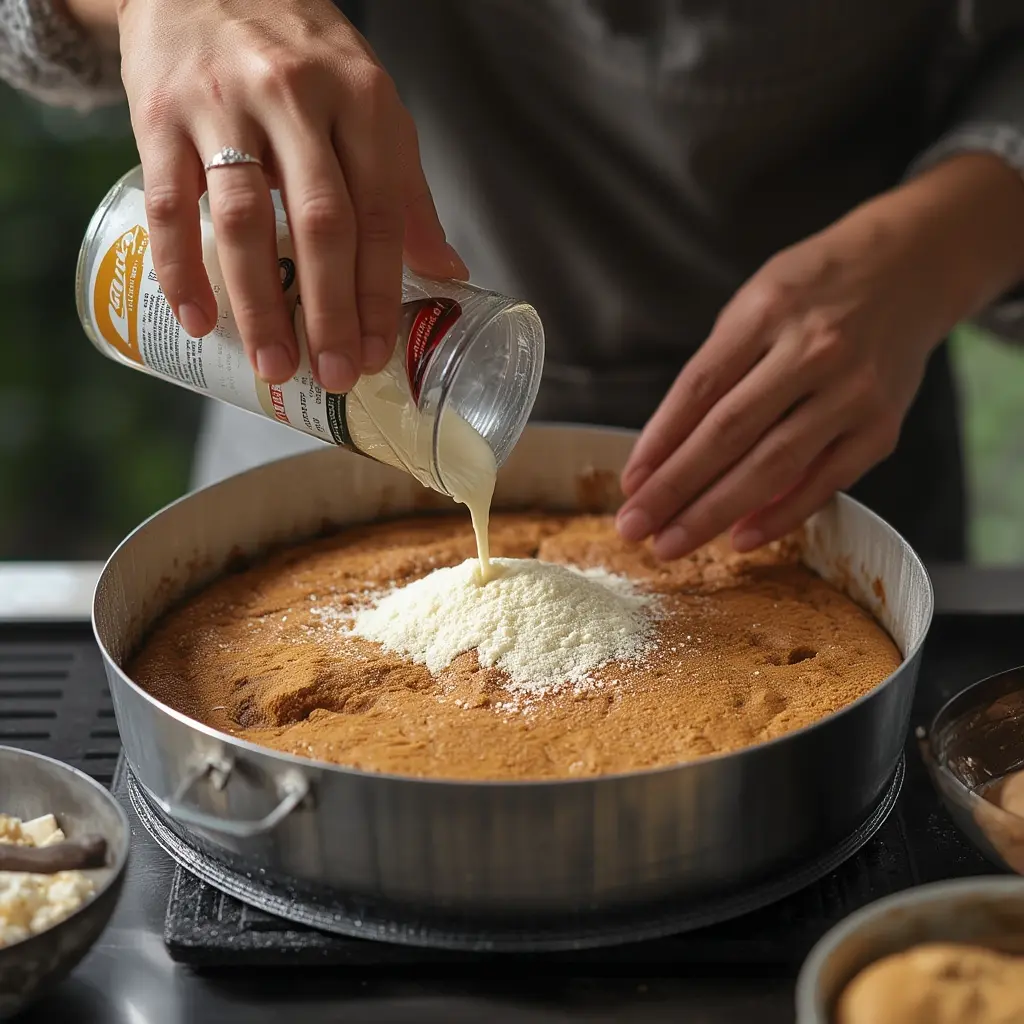
Fridge:Store the cake covered with plastic wrap or in an airtight container at room temperature for up to 3 days the crumb actually improves on day two as the flavors meld. If your kitchen runs warm, refrigerate after day two and bring slices to room temperature before serving. It’ll keep in the fridge for up to 5 days.
Freezer:This cake freezes exceptionally well a happy surprise for a bundt cake. Wrap individual slices tightly in plastic wrap, then in foil, and freeze for up to 2 months. Freeze before glazing if possible, and add the glaze fresh after thawing.
Reheating:For that just-baked warmth, microwave individual slices for 15–20 seconds. Anything longer and the crumb dries out quickly. A slice warmed just slightly, topped with that lemon glaze, is honestly better than a lot of cakes served fresh.
Make-Ahead:The unglazed cake can be baked up to 2 days ahead, wrapped tightly, and stored at room temperature. Make and apply the glaze the morning you plan to serve it for the freshest finish.
Nutrition Facts
Per serving (1 slice, based on 14 servings includes glaze, estimated):
- Calories: ~340
- Protein: 4g
- Carbohydrates: 48g
- Fat: 15g
- Sugar: 28g
These are approximate values based on standard ingredient brands. Your numbers may vary depending on the specific cake mix and butter used.
There’s a reason recipes like this get handwritten on index cards and passed between neighbors they work, reliably and deliciously, every single time. Whether you’re baking for a birthday, a Sunday dinner, or absolutely no reason at all other than wanting something wonderful to exist in your kitchen, this cake delivers. The soft, citrus-kissed crumb under that crackled lemon glaze is the kind of simple pleasure that reminds you baking doesn’t need to be complicated to be extraordinary.
What variation are you planning to try first the classic lemon glaze, the almond cream twist, or maybe the strawberry version? Drop your answer (and any questions) in the comments below! I read every single one, and I genuinely love hearing how these recipes come to life in different kitchens. If you’re hungry for more no-fuss baking ideas, this 7 up cake using cake mix post has even more tips and serving ideas worth bookmarking.
Your Questions Answered
Q: Can I use diet 7UP or a sugar-free lemon-lime soda in this recipe?A: Technically yes, but the results won’t be quite the same. Regular 7UP contains real sugar, which contributes to browning and moisture retention in the baked cake. Diet versions use artificial sweeteners that behave differently under heat, often resulting in a slightly drier, less golden crumb. For the best texture and flavor, stick to the full-sugar original.
Q: My bundt cake stuck and half of it tore what went wrong?A: This is almost always a pan preparation issue. The solution is thorough greasing and flouring both steps together, not just one. Use softened butter (not spray, which misses the crevices) and really work it into every ridge of the pan with a pastry brush or your fingers. Also, make sure you’re waiting exactly 10 minutes after baking before flipping too soon and it’s fragile, too long and it steams itself stuck.
Q: Why does my cake have a dense, gummy layer at the bottom?A: This usually means the cake was underbaked. Ovens often run cooler than their dials suggest, especially with the fan off. Use a skewer to test it should come out completely clean with no wet batter clinging to it. If the top is browning too quickly while the inside is still wet, tent the pan loosely with foil for the last 10–15 minutes of baking.
Q: Can I make this as cupcakes instead of a bundt cake?A: You can! Fill cupcake liners about two-thirds full and bake at 350°F for 18–22 minutes. The texture will be slightly different a bit more tender and less dense than the bundt version but still delicious. The lemon glaze drizzled over the top works beautifully for cupcakes too.
Q: Does the 7UP flavor actually come through in the finished cake?A: Subtly, yes. You won’t bite into the cake and think “this tastes like soda” what you’ll notice is a brightness and a slight citrus lift that you can’t quite identify as a specific flavor. That’s the 7UP doing its job. If you want a more pronounced lemon-lime flavor, add the optional lemon zest to the batter and use a bit of lime zest in the glaze.
Q: The glaze soaked into my cake and disappeared what happened?A: The cake was still warm when you glazed it. Even if it feels cool on the outside, the interior holds heat for a long time, and that warmth pulls liquid glazes right in. Let the cake sit on the rack for at least 45 minutes to an hour when the pan itself feels completely cool to the touch on the bottom, the cake is ready for glazing.
Q: Can I add cream cheese to the batter for extra richness?A: Absolutely this is a popular variation. Soften 4 ounces of cream cheese and beat it into the butter at the very beginning, before the eggs. It adds a subtle tanginess and makes the crumb even denser and more velvety, leaning more firmly into the classic 7up pound cake territory. If you go this route, add 5–10 extra minutes to the baking time and check with a skewer before pulling it from the oven.
Have you tried the dish?
There are no reviews yet. Be the first one to write one.
